
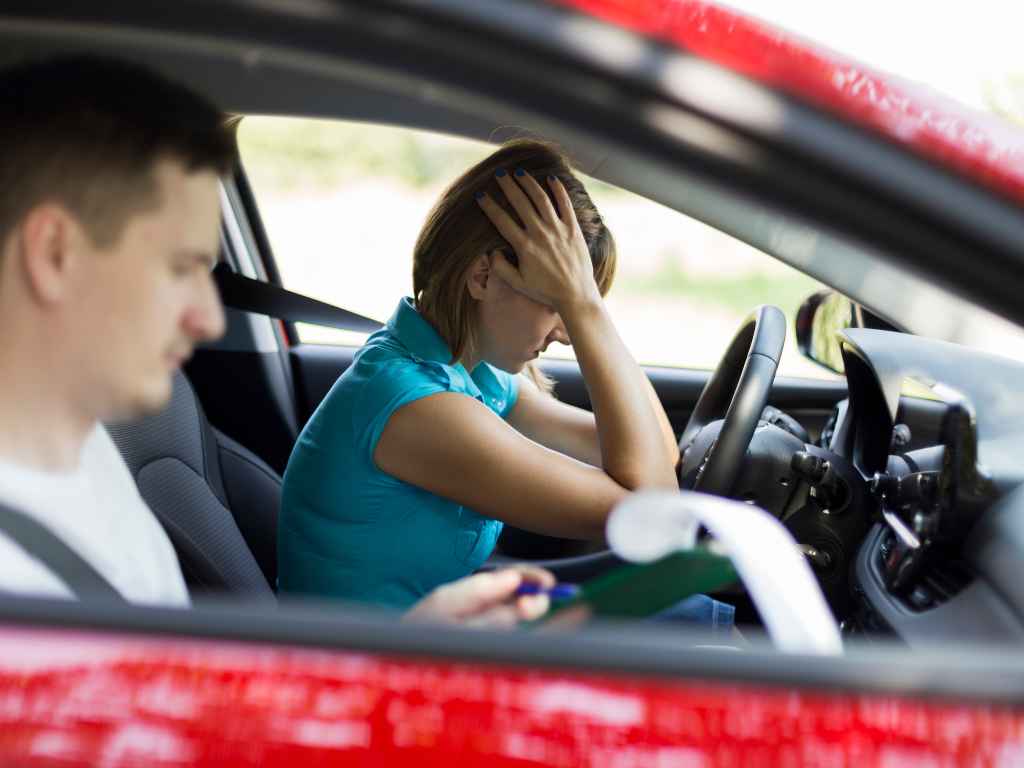
Failing a practical driving test can be disappointing, but it is important to remember that many learners fail for the same common reasons. Most mistakes are not caused by a lack of driving ability. Instead, they often happen because of nerves, missed observations or small errors that can be corrected with the right preparation.
Understanding the most common driving test faults can help you focus your practice on the areas that matter most. By recognising these mistakes before your test, you can improve your confidence, develop safer driving habits and increase your chances of passing first time.
At JNDS Online, we help learner drivers build confidence through structured learning, practical guidance and effective preparation for the practical driving test.
Poor Observation at Junctions
Observation at junctions is one of the most common reasons learners fail their driving test.
Many faults happen because drivers look too late, fail to notice approaching vehicles or misjudge the speed of oncoming traffic. It is also important to watch for cyclists, pedestrians and motorcyclists before moving out.
Developing a consistent observation routine helps you make safer decisions. Always check both directions carefully and only continue when you are confident it is safe to do so.
Incorrect Use of Mirrors
Good mirror use demonstrates awareness of what is happening around your vehicle.
Examiners expect you to check your mirrors before changing direction, slowing down, turning or changing lanes. Missing these checks can result in driving faults because it suggests limited awareness of other road users.
Remember to include blind spot checks whenever you move away from the kerb or change position on the road. Making mirror checks a regular habit helps them become automatic during your driving test.
Not Moving Off Safely
Moving away safely is another area where learners often lose marks.
Before pulling away, check your mirrors, complete a blind spot check and make sure it is safe to join the traffic. During emergency stop exercises, the examiner will also expect you to move away safely once instructed.
Taking a few extra seconds to complete proper observations is always better than rushing into traffic.
Incorrect Positioning at Junctions
Correct road positioning allows other drivers to understand your intentions and helps traffic flow safely.
Many learners position the vehicle incorrectly when turning right or approaching busy junctions. This can create confusion for other road users and increase the risk of mistakes.
Practise choosing the correct lane early, maintain good lane discipline and position your vehicle smoothly as you approach each junction.
Poor Steering Control
Smooth steering demonstrates confidence and good vehicle control.
Some learners grip the steering wheel too tightly or make sudden steering movements when under pressure. Others struggle to keep the vehicle centred within the lane.
Practising controlled steering helps maintain direction and creates a smoother driving experience for both you and your passengers.
Remember that calm steering often leads to calmer driving.
Responding to Traffic Lights
Traffic lights require careful observation and good judgement.
Approaching lights too quickly or making rushed decisions at amber signals can result in unnecessary faults. Examiners want to see that you respond safely rather than reacting suddenly.
Observe traffic ahead, anticipate changing signals and be prepared to stop safely whenever necessary. Planning ahead gives you more time to make sensible decisions.
Independent Driving and Following Directions
Independent driving is an important part of the practical driving test and now forms a significant part of your overall assessment.
During your test, the examiner may ask you to follow:
- Directions from a sat nav
- Traffic signs
- A combination of both
Under the latest DVSA guidance, the independent driving section can continue for the remainder of the practical driving test. The examiner will tell you whether to follow the sat nav, traffic signs or a combination of both, and they will set up the sat nav for you if it is being used.
If you take the wrong turning but do so safely, do not panic. You will not fail simply for going the wrong way. The examiner will give you new directions and continue the test. The assessment is based on your ability to drive safely, make good observations and respond correctly to changing road conditions.
Practising with both sat nav directions and road signs before your test will help you feel more confident during the independent driving section.
Poor Road Positioning
Maintaining the correct road position is an important part of safe driving.
Learners sometimes drive too close to parked vehicles, drift between lanes or position themselves incorrectly on wider roads.
Good road positioning creates safe space around your vehicle and makes your intentions clearer to other road users.
Always stay aware of your surroundings and adjust your position whenever road conditions change.
Responding to Road Markings
Road markings provide clear guidance about where and how you should drive.
During your test, you may encounter lane arrows, give way markings, box junctions and other road instructions. Ignoring these markings can lead to avoidable driving faults.
Pay attention to road markings well in advance so you have enough time to react smoothly without making sudden changes.
Planning ahead is one of the best ways to improve your driving performance.
Reverse Parking Mistakes
Reverse parking remains one of the manoeuvres that many learners find challenging.
Whether completing bay parking or parallel parking, success depends on careful observations, slow vehicle control and accurate positioning.
Do not focus only on the parking space. Continue checking around the vehicle throughout the manoeuvre to make sure it remains safe to continue.
Regular practice helps build confidence and improves consistency during the driving test.
How to Improve Your Chances of Passing
Passing your driving test is about developing safe driving habits rather than memorising routes.
Practise regularly in different road conditions and become comfortable driving independently using both road signs and sat nav directions. As the independent driving section can now continue for much of the practical driving test, building confidence without constant instruction is more important than ever.
Completing mock driving tests also helps you become familiar with the format of the practical test while reducing nerves.
Learn from mistakes instead of worrying about them. Every lesson provides an opportunity to improve your driving skills.
Stay calm throughout your test and remember that the examiner is assessing your ability to drive safely rather than expecting perfection.
Listening carefully to your driving instructor and acting on feedback will also help strengthen weaker areas before test day.
Conclusion
Most practical driving test failures happen because of common mistakes that can be improved through consistent practice and good preparation.
By focusing on observation, hazard awareness, vehicle control, road positioning and confidence, you can significantly improve your chances of passing your driving test first time.
At JNDS Online, we support learner drivers with structured resources designed to build confidence and develop safe driving habits. With the right preparation, regular practice and a positive mindset, you can approach your practical driving test feeling ready to succeed.
Frequently Asked Questions
What is the most common reason learners fail their driving test?
Poor observation at junctions remains one of the most common reasons learners receive serious driving faults during the practical driving test.
Can I pass my driving test with minor faults?
Yes. You can receive up to 15 driving faults and still pass, provided you do not receive any serious or dangerous faults.
Has the independent driving section changed?
Yes. Under the latest DVSA guidance, the independent driving section can continue for the remainder of the practical driving test. During this time, you may be asked to follow directions from a sat nav, traffic signs or a combination of both. The examiner will tell you which method to follow before you begin.
How can I improve my chances of passing first time?
Practise regularly, complete mock driving tests, improve your observations, become confident following both sat nav directions and road signs, stay calm and follow the guidance provided by your driving instructor.
Should I practise reverse parking before my driving test?
Yes. Bay parking and parallel parking require good vehicle control and careful observations. Regular practice helps improve confidence and accuracy.
Why are mirror checks so important?
Mirror checks help you stay aware of surrounding traffic before changing direction, slowing down, turning or moving away safely.
How can JNDS Online help me prepare for my driving test?
JNDS Online provides structured learning resources, practical guidance and preparation techniques that help learner drivers build confidence, improve driving skills and prepare effectively for their practical driving test.