Stalling at junctions
Your attention is split between traffic and the pedals, so the clutch drifts up too fast.
What helpsSlow early, pick the right gear and hold the biting point while you look.

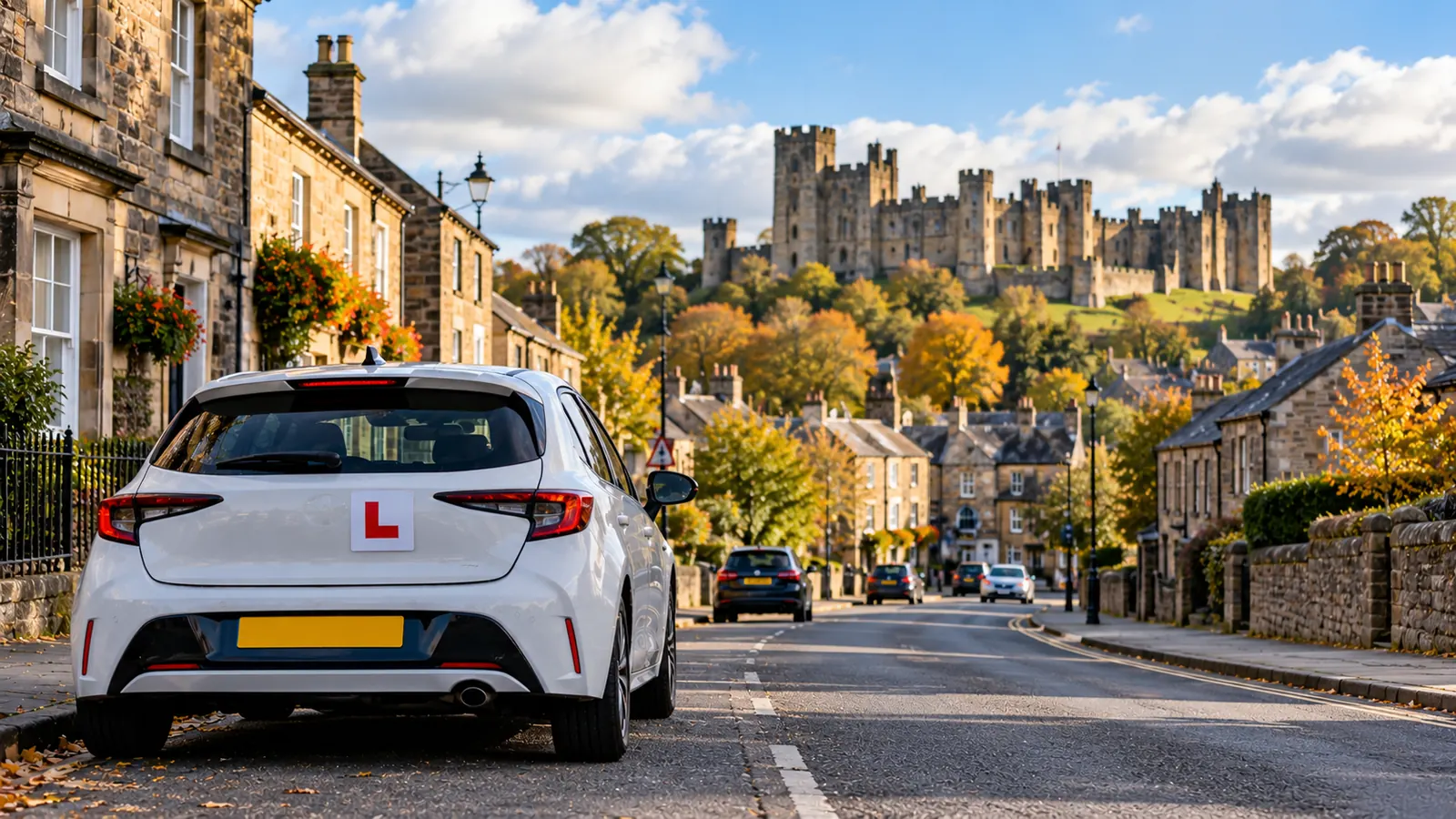
Manual driving · Beginner’s guide

Learn manual driving from the first lesson: clutch control, smooth gear changes, confident moving off and hill starts. This beginner’s guide to manual driving lessons from DVSA-approved instructor John Nicholson at JNDS Online shows you what to practise, why it matters, and how to feel in control before you pull away.
Online preparation supports your practical lessons. It doesn’t replace learning in a car with a qualified instructor.
The essentials
In an automatic, the car chooses the gears. In a manual, you do. That’s the whole difference, and it’s why manual lessons begin with a few extra things to understand before you pull away.
The clutch is on the left, the brake in the middle and the accelerator on the right. Your left foot works the clutch only. Your right foot looks after both the brake and the accelerator, never at the same time.
With the pedal up, engine power reaches the wheels. Press it down and that link is broken, which lets you change gear or stop without the engine stalling.
Lower gears give more pulling power at low speeds, which suits moving off and climbing hills. Higher gears let the engine work more calmly once you’re travelling faster.
Clutch down, move the lever, clutch back up smoothly while adding the right amount of accelerator. With practice you find the lever by feel, so your eyes can stay on the road.
Your hands and feet learn to work together through practice, not memorising. Feeling clumsy in the early lessons is normal, and it eases with regular, guided practice.
Skill focus
Clutch control is the skill most beginners spend the longest on, and the one that makes everything else easier once it clicks. It’s about feeling what the pedal is doing, not following a fixed set of numbers.
It lets you smoothly join and separate the engine and the wheels. Used well, the car moves off gently and changes gear without a jolt.
As you slowly raise the pedal, you reach a point where the engine note dips slightly and the car feels ready to move. Instructors call this the biting point. Where it sits differs from car to car, so you’ll find it again each time you drive a different one.
A stall happens when the engine is asked to pull the car without enough power, usually because the clutch came up too quickly or without enough accelerator. It isn’t a failure. You restart and try again, and stalls become rarer as your feel for the pedal grows.
Clutch pedal travel
One way a lesson may build up. Your instructor may order things differently to suit you.
Press and lift the clutch slowly while stationary to get used to how far it travels and how it feels under your foot.
With the handbrake on, raise the pedal until you sense the engine note change, then hold it for a few seconds.
Add a little accelerator, release the handbrake and let the car creep. Then press the clutch down and brake to stop.
Short, repeated attempts build feel faster than a few long ones. Smooth beats fast.
Bring in mirrors and a look over your shoulder so that observation becomes part of every move-off.
Practise safely. Learn these skills with an approved driving instructor, or a supervisor who meets the legal requirements, in a quiet and suitable place. Learner supervision, insurance and L-plate rules always apply.
Step by step
Six stages that most manual lessons move through, in roughly this order. Each builds on the one before, so there’s no need to rush any of them.
Sit comfortably, with the seat set so you can press the clutch fully down without stretching. Learn where the three pedals are, how the gear lever moves, and where neutral sits.
Neutral is the lever’s resting place in the middle, where it moves loosely from side to side and no gear is selected.
Good to know: You’ll also meet the handbrake, mirrors and indicators in your first lesson. You don’t need to memorise it all at once.
Raise the clutch slowly until the engine note changes and the car seems ready to move. Hold it there with the handbrake on and let your foot learn the position.
Good to know: Listen as much as you look. Many learners find the sound easier to pick up than the feel at first.
A common routine is prepare, observe, move. Prepare by getting the clutch down, first gear selected, a little accelerator and the biting point found. Observe with your mirrors and a look over your shoulder. Then move by releasing the handbrake and lifting the clutch slowly.
Good to know: Instructors teach slightly different routines. Follow yours and keep the habit consistent.
Press the clutch down, move the lever to the next gear, then bring the clutch up smoothly. Match the gear to your speed. An engine that’s straining or racing is telling you the gear isn’t quite right.
Good to know: Keep your eyes ahead. Practise finding gears by feel while stationary so you aren’t tempted to look down.
Use the brake to slow the car, then press the clutch down just before you stop so the engine doesn’t stall. Finish by securing the car as your instructor teaches you. You don’t need to change through every gear on the way down, only into the one you’ll need next.
Good to know: Plan early. The sooner you decide how you’ll slow, the calmer the stop feels.
On a hill, the handbrake holds the car while you find the biting point and add a little extra accelerator. You release the handbrake once you feel the car hold against the slope. At junctions, choose your gear early so you can focus on observation as you approach.
Good to know: Start on quiet roads and gentle slopes with your instructor before you tackle anything busier.
Common hurdles
Almost every manual driver has done all of these. Knowing why they happen makes them easier to fix.
Your attention is split between traffic and the pedals, so the clutch drifts up too fast.
What helpsSlow early, pick the right gear and hold the biting point while you look.
The car lurches or stalls because the engine and wheels join up too suddenly.
What helpsLift slowly, pause at the biting point and practise creeping at walking pace.
It feels natural, but your eyes leave the road for a moment you can’t afford.
What helpsPractise finding each gear by feel while parked until your hand knows the way.
Too high for your speed and the engine labours. Too low and it revs hard.
What helpsListen to the engine and ask your instructor to point out what the right gear sounds like.
Hurrying the handbrake and clutch is what lets the car roll back.
What helpsTake your time, find the biting point first and release the handbrake only when the car feels held.
Pedals, gears, mirrors and other road users all at once is a lot for a new driver.
What helpsBuild up from quiet roads, and tell your instructor when you want to repeat something.
Choosing a transmission
Neither is the “better” choice. It depends on the cars you expect to drive and how you like to learn.
| Manual | Automatic | |
|---|---|---|
| Learning experience | More to coordinate early on, so lessons spend longer on car control before you pull away smoothly. | With no clutch to manage, you can concentrate on steering, observation and road position from the start. |
| Gear and clutch control | You choose each gear and use the clutch pedal. | The car selects gears for you. There’s no clutch pedal. |
| Licence entitlement | Pass your test in a manual car and your licence covers both manual and automatic cars. | Pass in an automatic and your licence is limited to automatic cars (licence code 78). |
| Vehicle preferences | Suits you if you want the option to drive any car, manual or automatic. | May suit you if you only expect to drive automatic cars. |
| Individual learning needs | Some learners enjoy the hands-on control. Others find the coordination demanding at first. | Some learners find it less demanding, especially if they feel anxious. A chat with an instructor can help you decide. |
You can still move to manual later, but it isn’t automatic. Here’s what the official guidance says.
Source: GOV.UK: upgrade an automatic car licence to a manual one
Before you go
Nobody expects you to arrive knowing anything. A first lesson is mostly about getting comfortable in the car and understanding what each control does, at a pace that suits you.
Confidence in a manual car comes from repetition. Lessons build gradually, so an exercise that felt awkward in week one often feels routine by week three. If something doesn’t make sense, say so. Good instructors would rather go over it again than have you guess.
Core skill
Gear changing is the skill that turns clutch control into real driving. Once you can select the right gear without looking down, you can keep your attention on the road instead of the lever.
There is no perfect speed for every change. You listen to the engine, match the gear to how fast you are going, and keep the movement smooth rather than hurried.
Ease off the accelerator a little so the car is settled. Keep your eyes ahead. Your left hand stays on the wheel; your right hand moves to the gear lever only when you are ready.
Press the clutch fully down, then move the lever to the next gear. First to second is a short, straight pull. Higher changes follow the H-pattern. If the lever resists, the clutch may not be fully down.
Release the clutch at a steady pace and add a little accelerator as the drive takes up. A jolt usually means the clutch came up too quickly. A stall usually means it came up without enough power.
First is for moving off and very slow work. Second suits junctions and slow streets. Third and fourth cover most town driving. Fifth (and sixth, if the car has it) is for steadier, faster roads. An engine that strains wants a lower gear; one that races wants a higher one.
Beginner tip. Practise finding each gear by feel while the car is parked, with the engine off if your instructor prefers. That habit stops you looking down once you are moving.
Confidence on slopes
A hill start uses the same clutch skill as a flat move-off, with the handbrake holding the car so it does not roll back. Most learners find it awkward at first. It becomes reliable once you stop rushing it.
Hold
Keep the handbrake on. Clutch fully down, first gear selected. Check mirrors and the blind spot, then set the car up as you would on the flat.
Bite
Raise the clutch to the biting point and add a little more accelerator than you would on level ground. You should feel the car lean into the slope, ready to go, without creeping forward yet.
Release
Release the handbrake only when the car feels held. Then lift the clutch slowly as you move away. If it starts to sink back, clutch down, handbrake on, and set it up again.
Where to practise. Start on a gentle, quiet slope with your instructor. Busy junctions and steep streets come later, once the sequence feels familiar. Rolling back is a timing issue, not a sign you cannot do it.
Progress
There is no official number of hours. How long it takes to learn manual driving depends on how often you practise, how quickly clutch control clicks, and how comfortable you feel in traffic. Your instructor can give you a clearer picture once they have seen you drive.
Early lessons
Most beginners spend the first lessons on seat set-up, the biting point, moving off and stopping. Stalling is common here. Short, regular lessons usually help more than occasional long ones, because your feet need repetition.
Building up
Once moving off is steadier, lessons turn to gear changes, roundabouts, hill starts and busier roads. This is where understanding the clutch between lessons pays off: you spend more time driving, and less time puzzling over what the pedal is doing.
Towards the test
You are ready to think about the practical test when you can drive independently, choose sensible gears, and recover calmly from a stall. That point arrives at different times for different people. Nervous learners often need more time in quieter areas first, and that is a valid way to learn.
What shortens the learning curve. Book lessons close enough together that the skill does not fade, tell your instructor what felt difficult last time, and use online preparation to understand clutch control and hill starts before you practise them in the car. See the manual driving courses if you want that theory in a structured form.
Your instructor
I’m John Nicholson, a DVSA-approved driving instructor with over 10 years’ experience in driver training. I built JNDS Online because learners often have a lot of questions between lessons and not much help finding the answers.
When it comes to manual driving, I think most of the stress comes from not knowing what to expect. If you understand what the clutch is doing and why, the practical side starts to make sense much sooner. That’s what this page is for.
John’s two sites
Online preparation lives at JNDS Online. In-car driving lessons are with John Nicholson Driving School. Same instructor, two places to start, depending on what you need.
Online driving courses, theory support and lesson preparation you can work through at home, including the manual course on this page.
Visit JNDS Online
Practical driving lessons with DVSA-approved instructor John Nicholson, including manual training for beginners.
Visit the driving schoolLearners
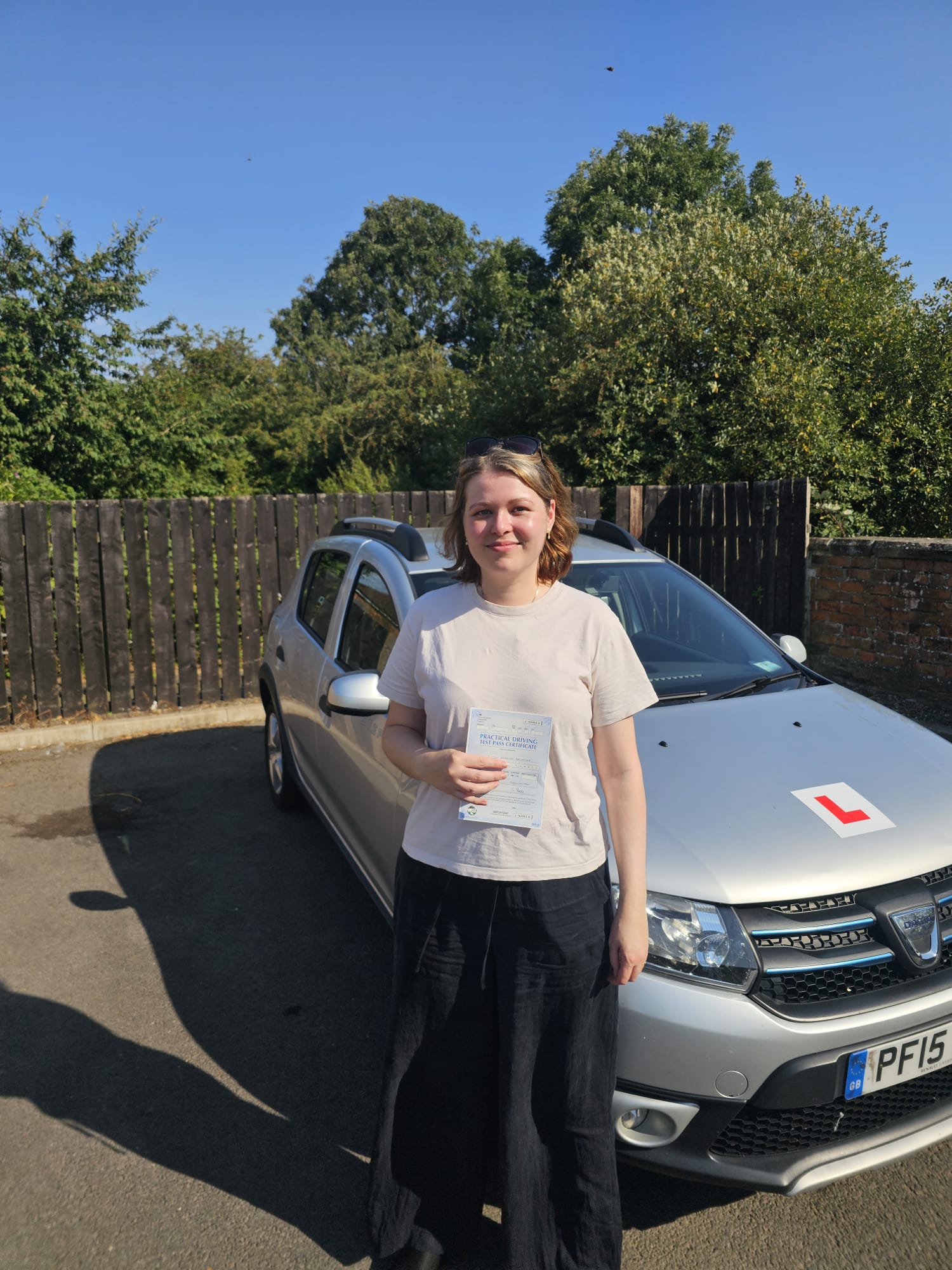
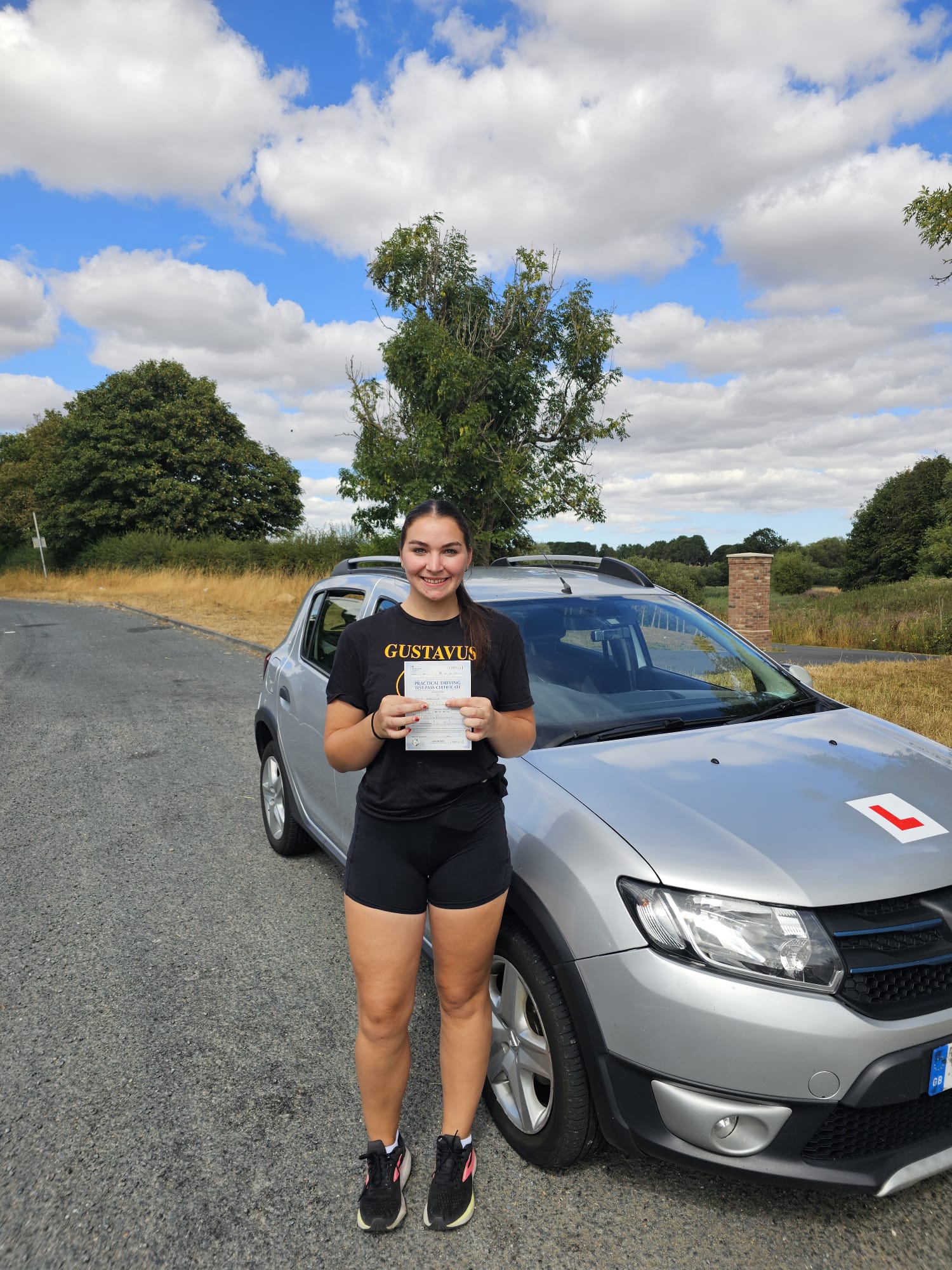
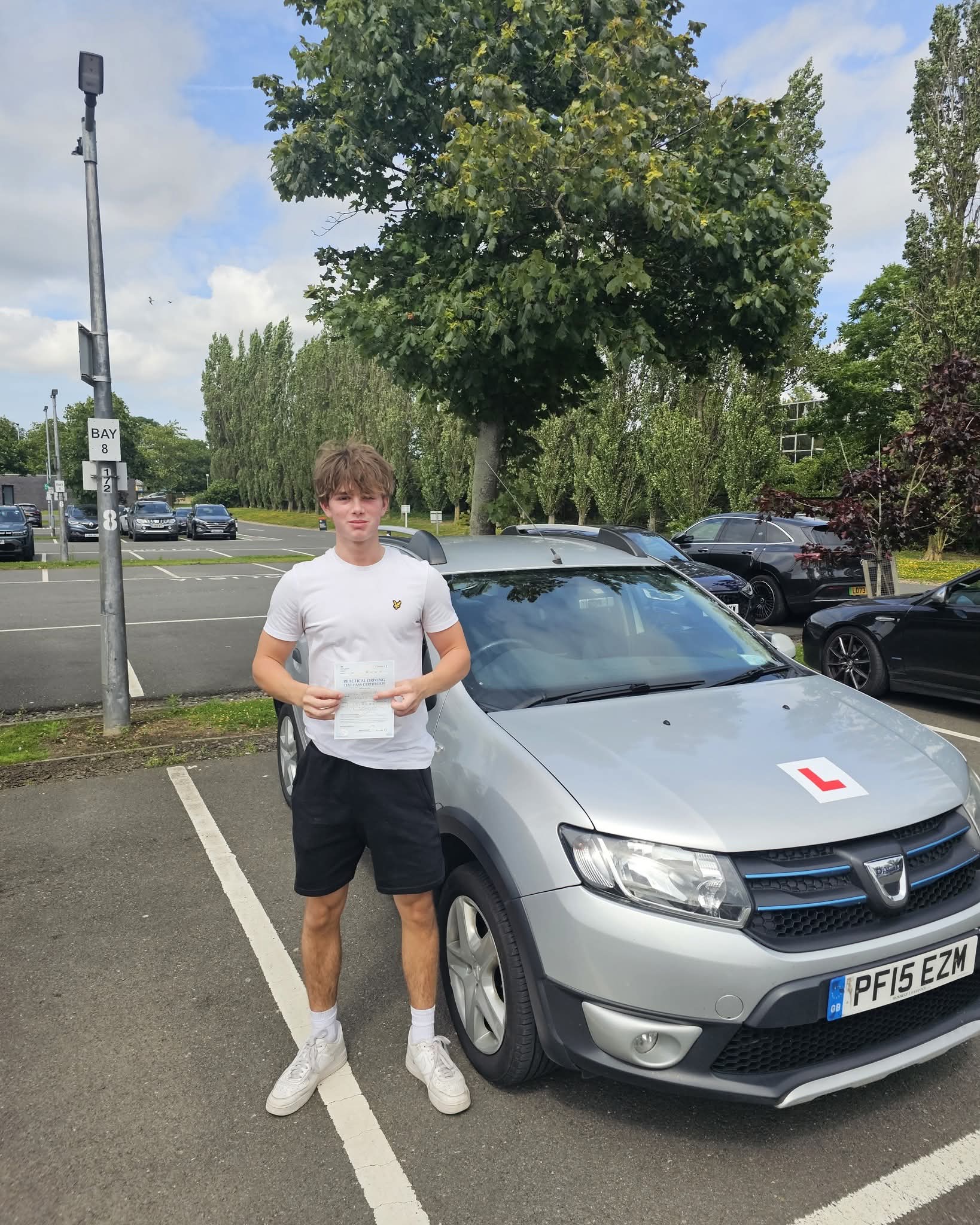
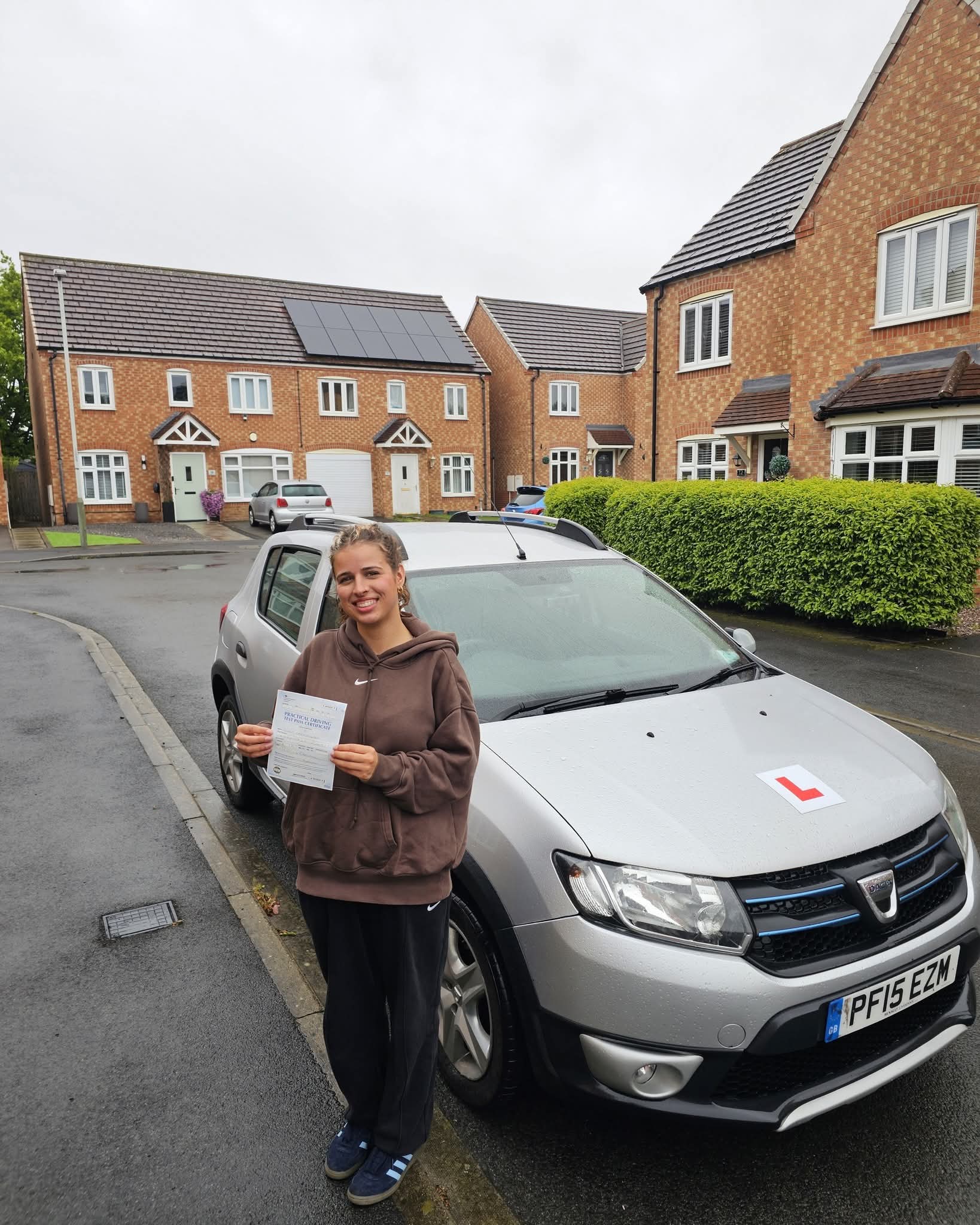
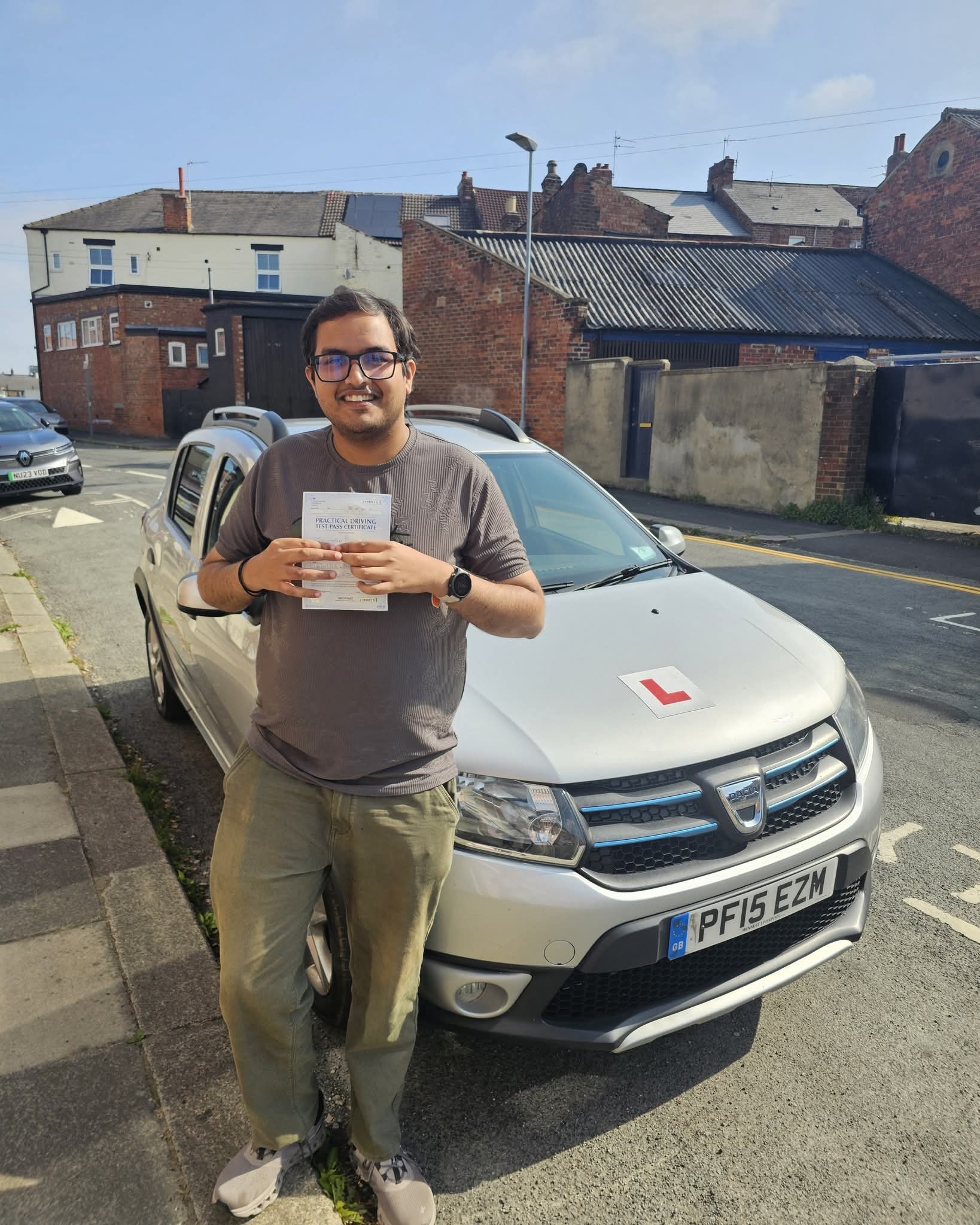
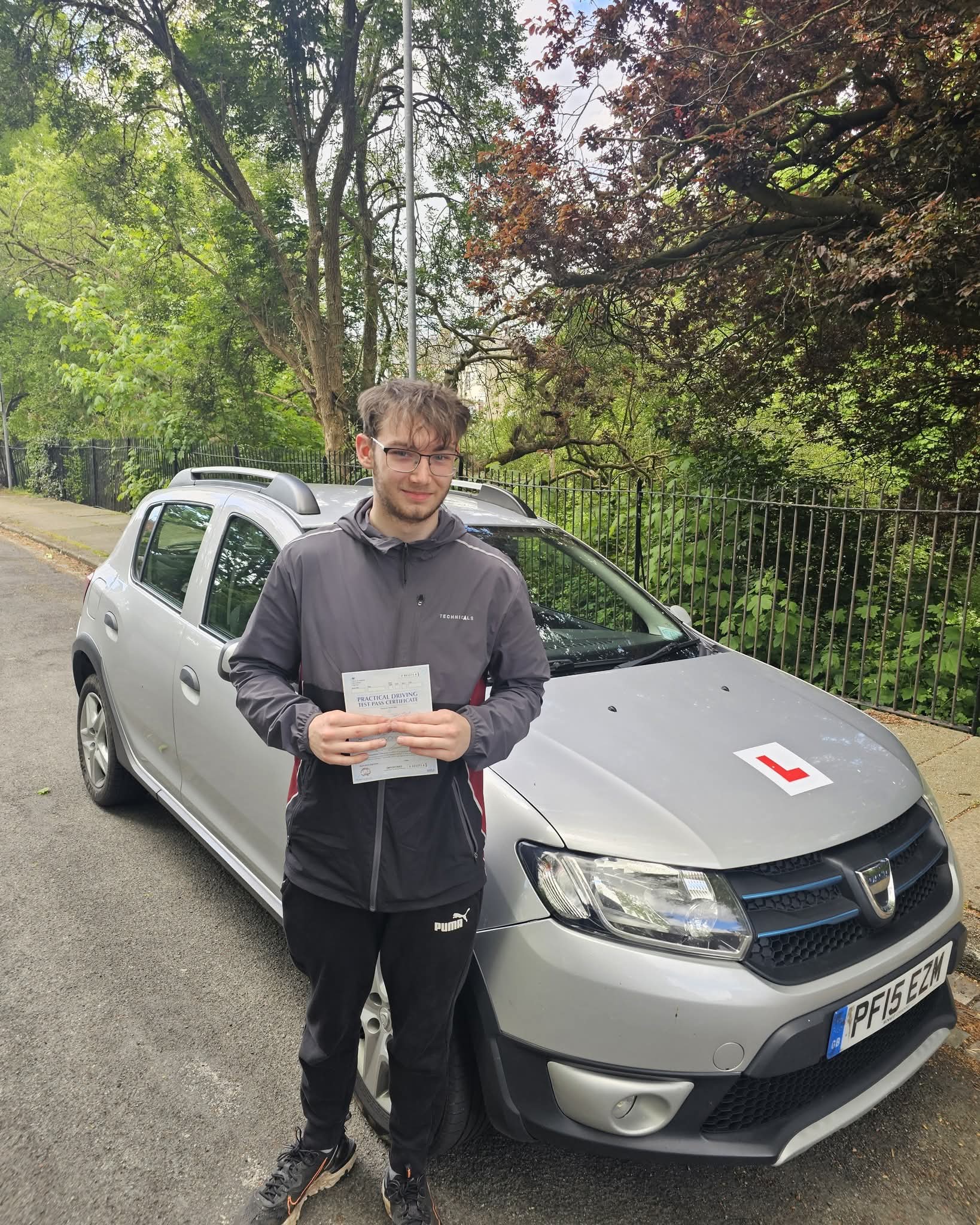
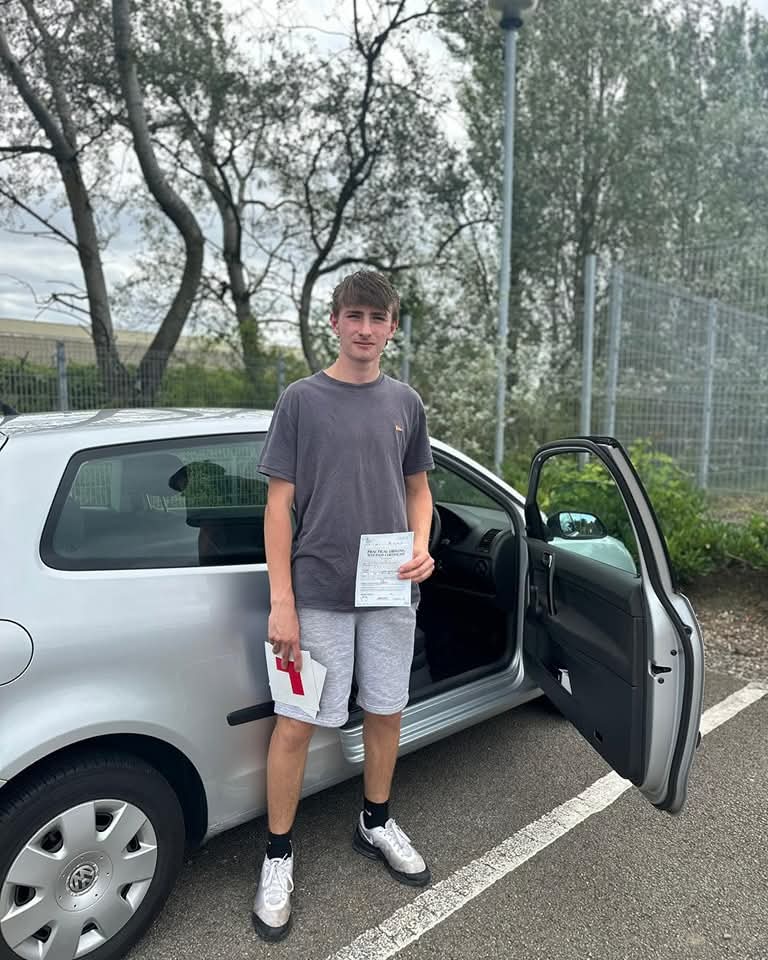
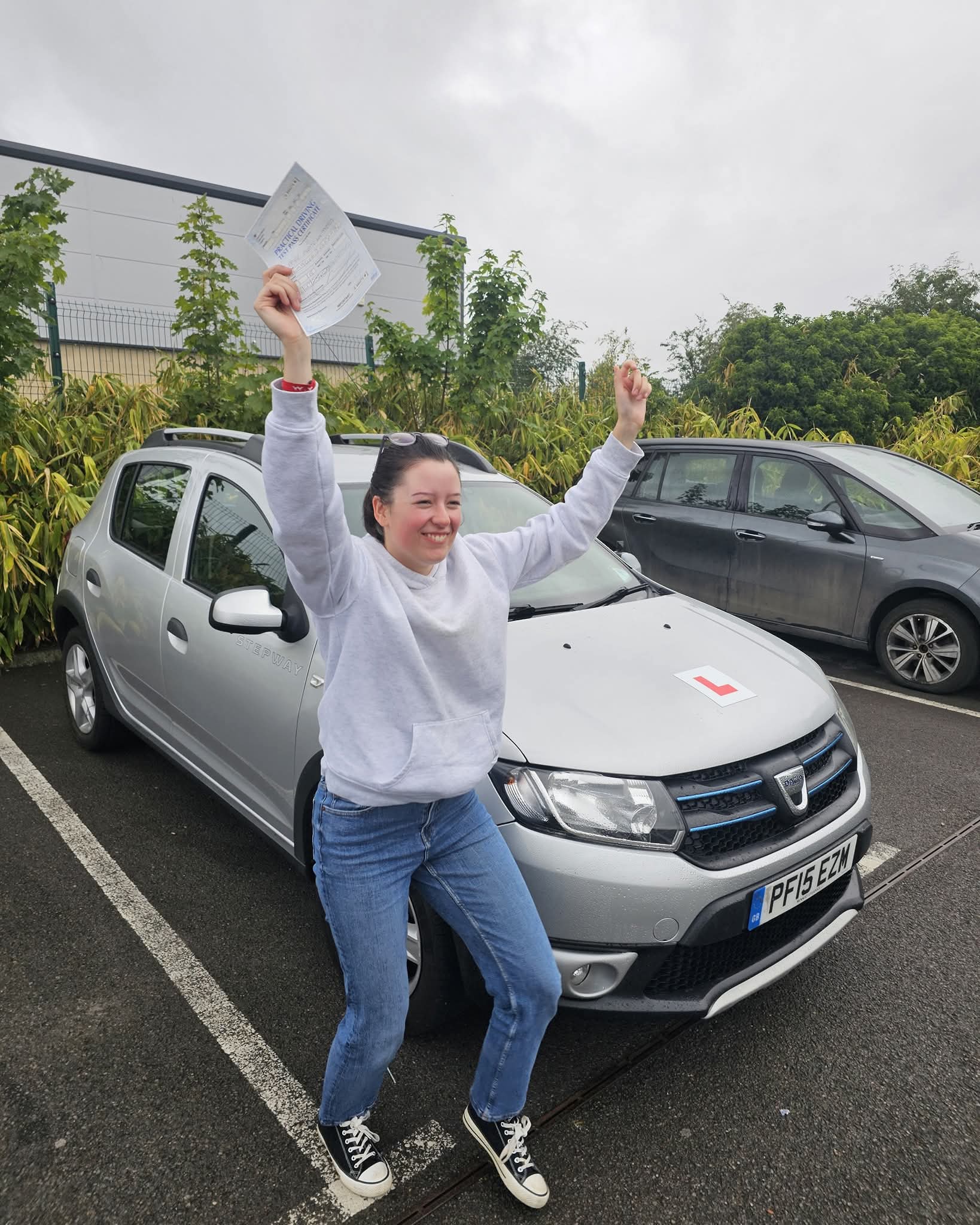
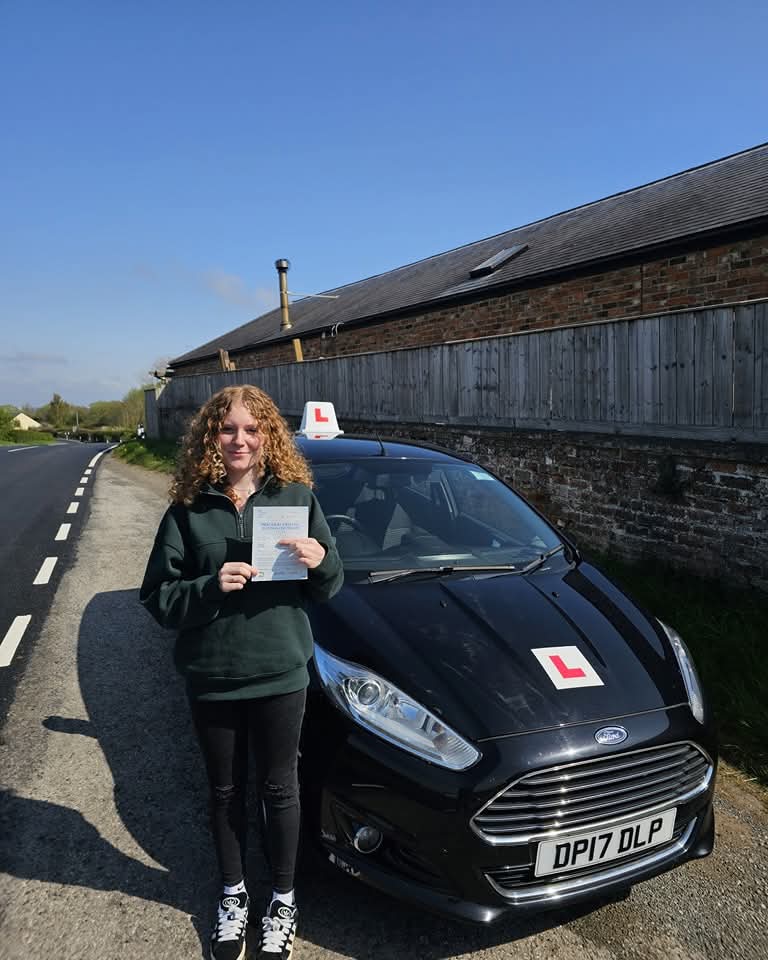
Real lessons, real people. Photographs from learners who have trained with John at JNDS Online and John Nicholson Driving.
Preparation resources
If you’d like to understand the theory behind manual driving before you’re behind the wheel, these online courses cover it at your own pace. They’re preparation for your practical lessons, not a replacement for them.
Online course
A structured manual-car course following the DVSA syllabus, with animations and real-life footage.
Individual subjects
Manual driving subjects you can take one at a time, handy for brushing up on a skill between lessons.
Package
The manual driving course together with two supporting courses, in one package.
Not sure which suits you? See all JNDS driving courses.
Courses are provided by our partner DTC. JNDS Online may earn a commission if you buy through these links, at no extra cost to you.
Get in touch
Whether you’re unsure where to start or just want a second opinion on manual versus automatic, send a message and we’ll point you in the right direction.
Use the contact page and we’ll reply as soon as we can.
Contact JNDS OnlineQuestions
It asks you to coordinate more at once than an automatic does, with a clutch pedal and gear lever on top of steering, braking and observation, so it can feel awkward at first. With regular, guided practice it settles for most learners. Everyone progresses at their own pace.
It’s the point as you raise the clutch pedal where the clutch begins to engage. You’ll often hear the engine note dip slightly and sense the car ready to move. It sits at a slightly different height in different cars.
A stall happens when the engine doesn’t have enough power to turn the wheels. Usually the clutch has come up too quickly, there wasn’t enough accelerator, or the car slowed without the clutch being pressed. It’s a normal part of learning and gets less frequent with practice.
Practise slow, smooth clutch releases in a quiet, safe place with your instructor. Short, repeated attempts help more than a few long ones. Keep your left foot relaxed, and ask your instructor to repeat any exercise that doesn’t feel secure yet.
Typically you’ll set up the seat and mirrors, learn what the controls do, and try finding the biting point somewhere quiet. Depending on how you get on, you may also practise moving off and stopping. Your instructor sets the pace.
Yes. Online courses can help you understand the controls, clutch and hill starts before you drive. They support your learning but don’t replace practising in a car with a qualified instructor. See the manual preparation courses above.
Yes. If you pass in a manual car, your licence covers manual and automatic cars. If you pass in an automatic, your licence is limited to automatic cars (code 78), and you’d need to pass a manual test to upgrade. Details are on GOV.UK.
There’s no fixed answer. It depends on your starting point, how often you practise and how confident you feel. Your instructor can give you a realistic view of your progress as you go. See how long it takes to learn manual driving.
Change when the engine is working too hard or revving more than it needs for your speed. Listen as much as you look at the speedometer. Full detail is in how to change gears in a manual car.
Keep the handbrake on until you have the biting point and a little extra accelerator. Release it only when the car feels held against the slope. Step-by-step guidance is in how to do a hill start in a manual car.
Explore the JNDS driving courses to prepare before your next lesson.