
Learn with structured support, experienced guidance and a clear pathway towards becoming a safe and confident driver.
Learn the routines, reference points and test knowledge before and between your driving lessons.

I'm John Nicholson, a DVSA-approved driving instructor with 10+ years of teaching experience in Darlington. I created JNDS Online to help learners understand the routines, reference points and knowledge behind driving before and between their practical lessons.
The aim is simple: less time parked learning theory, and more lesson time applying it safely on the road.
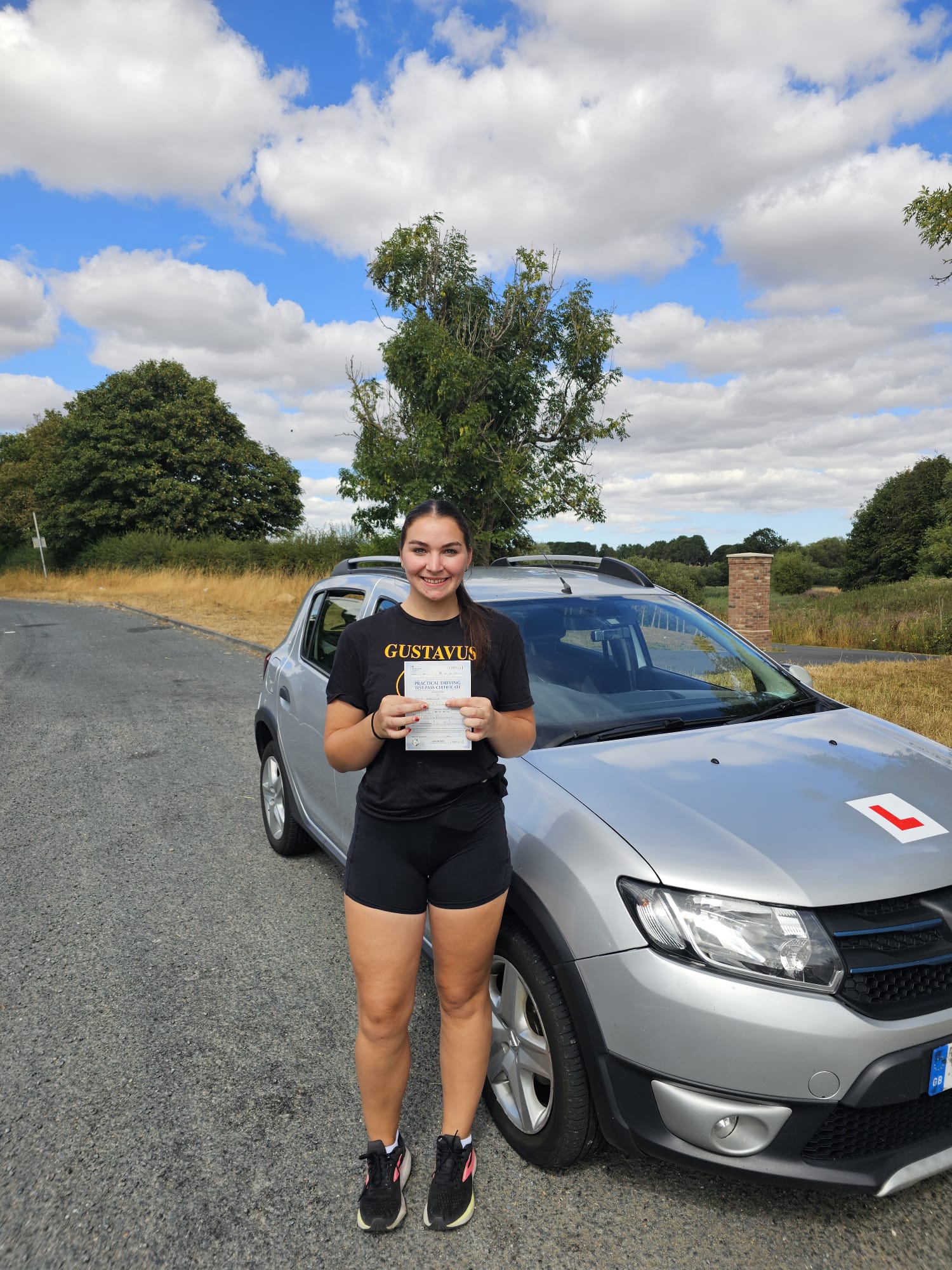
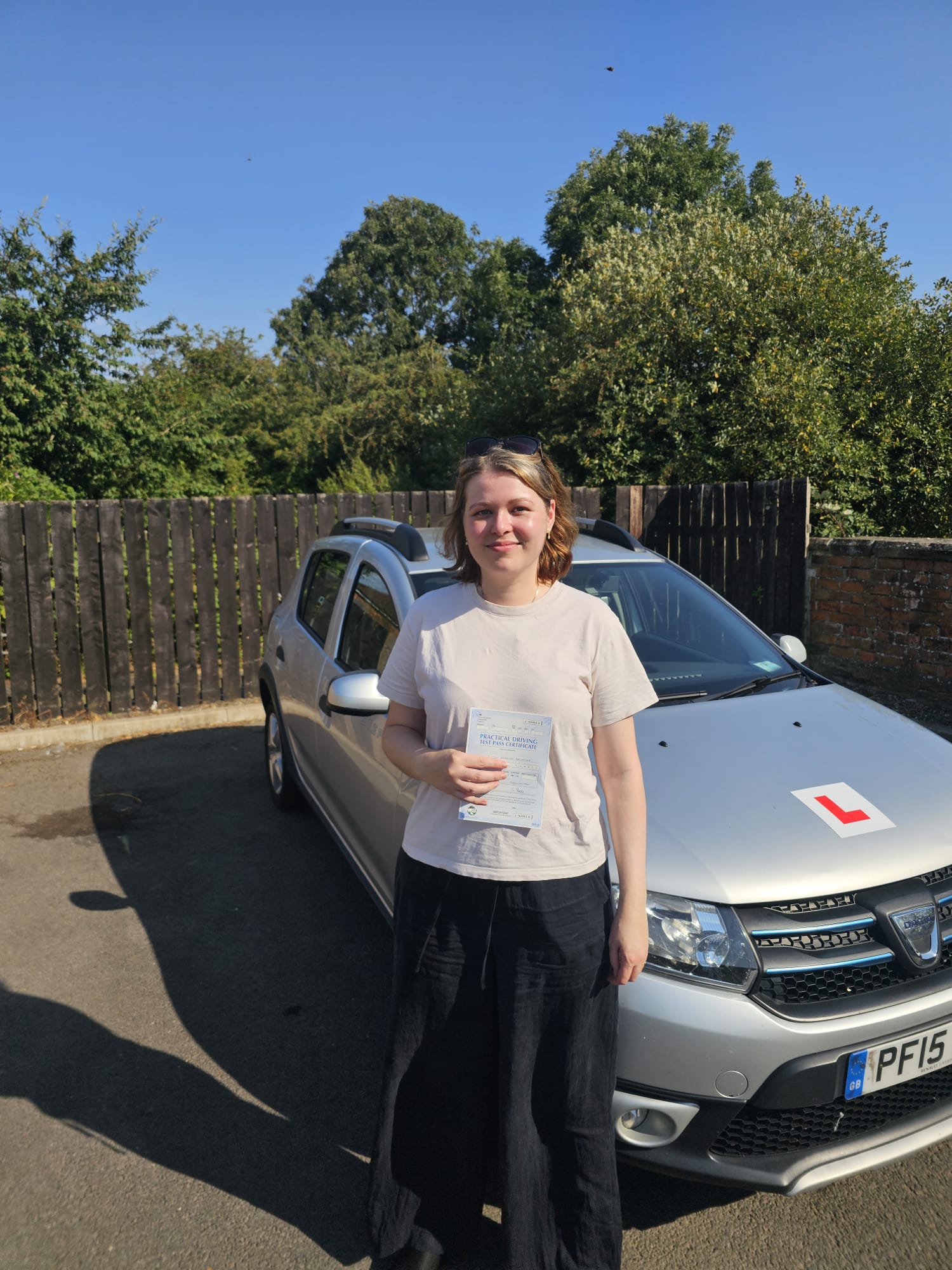
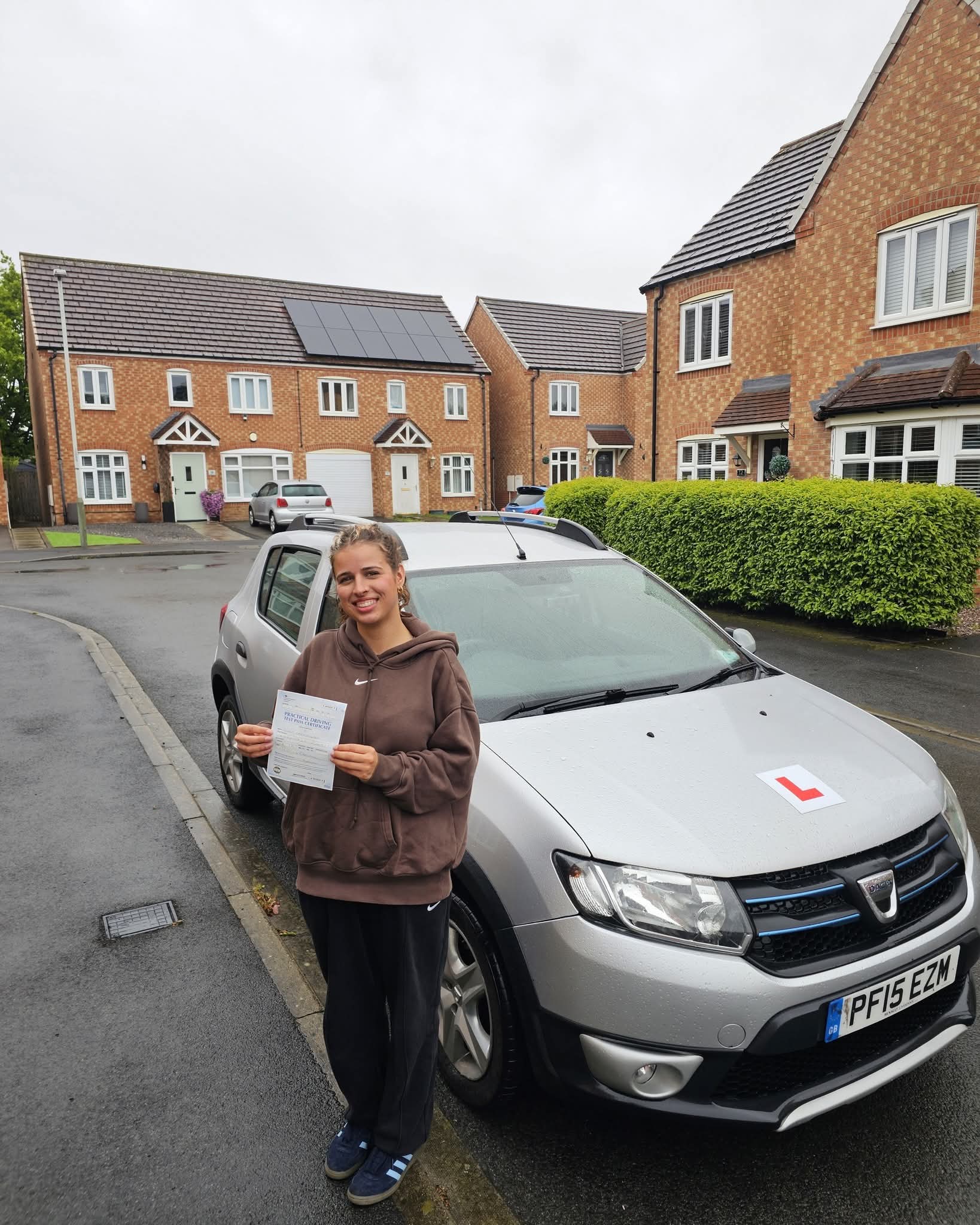
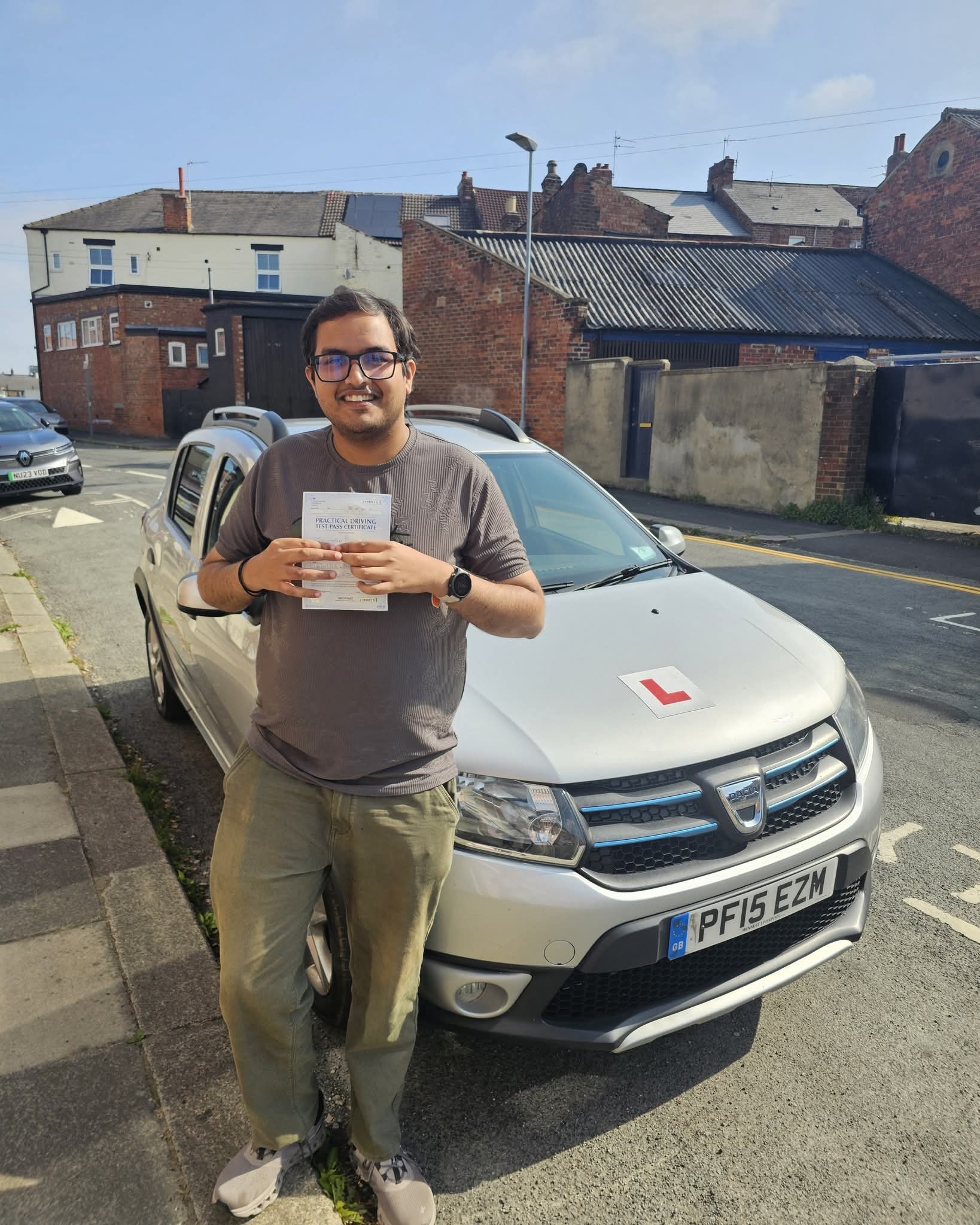
Explore the Driving CoursesA few of the learners John has helped prepare for their driving test.
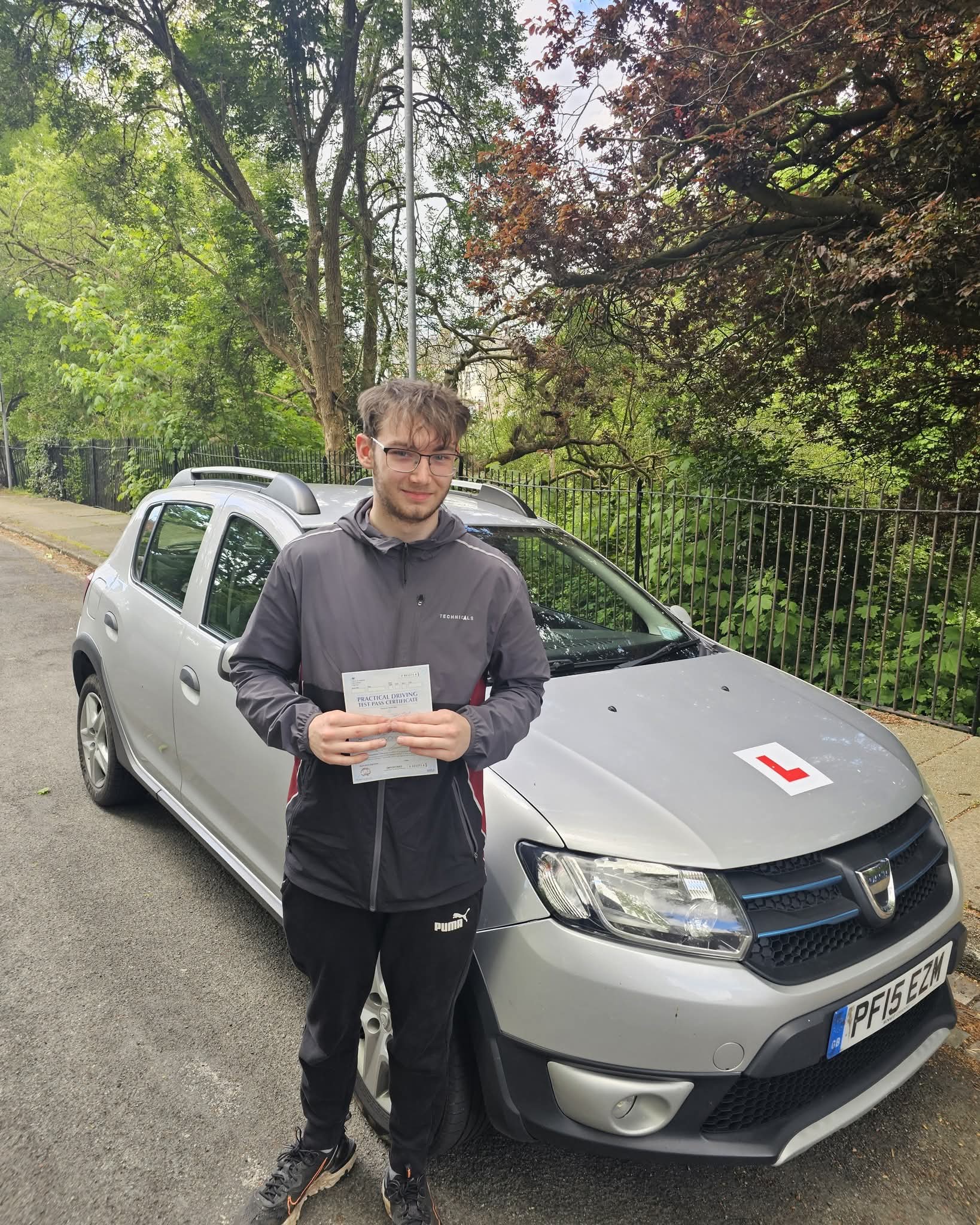
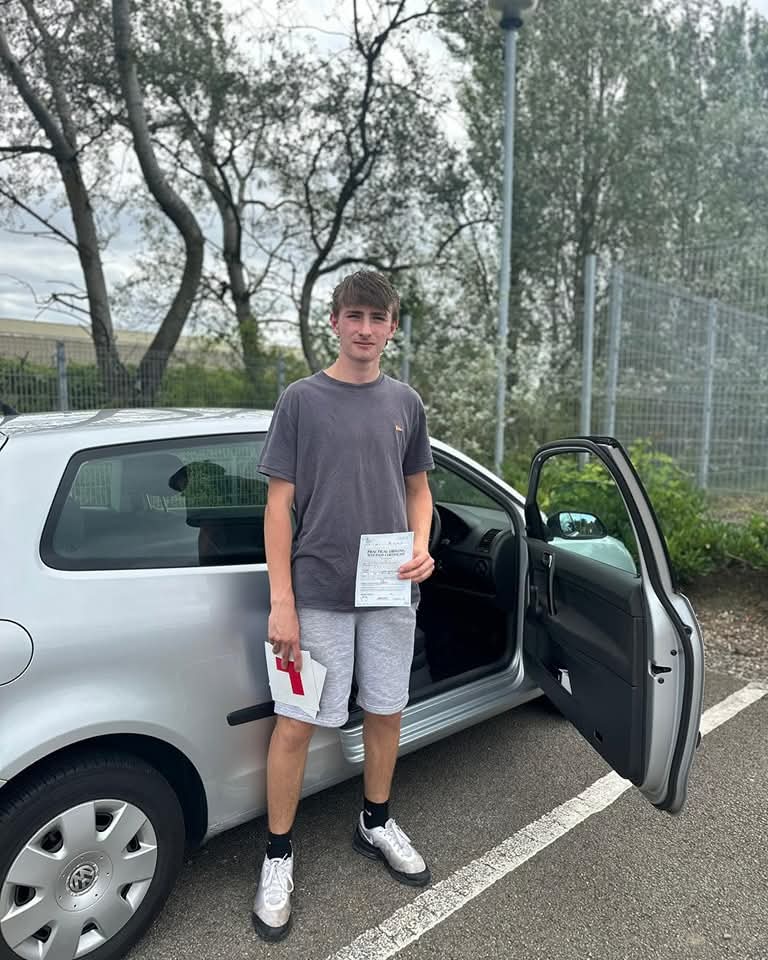
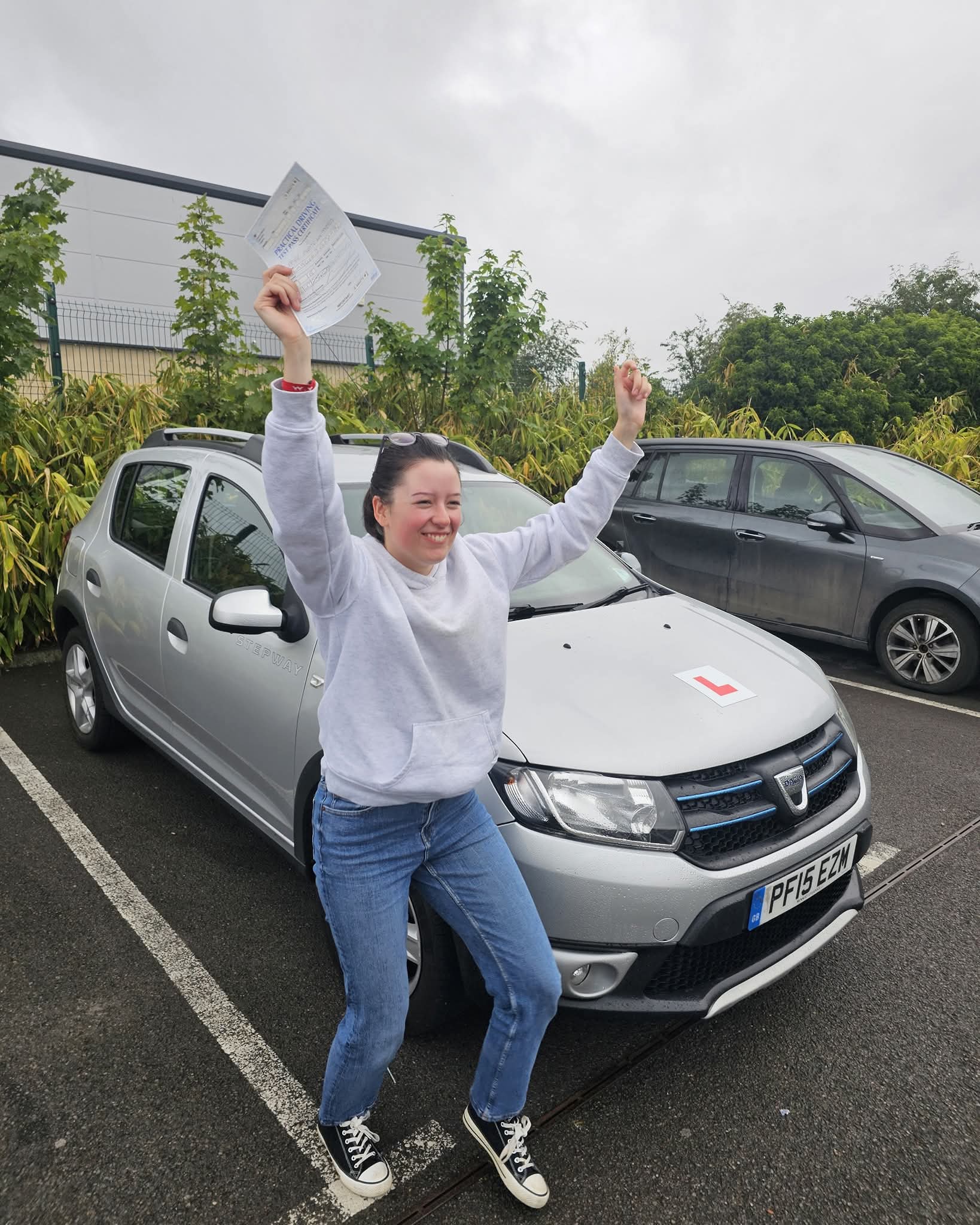
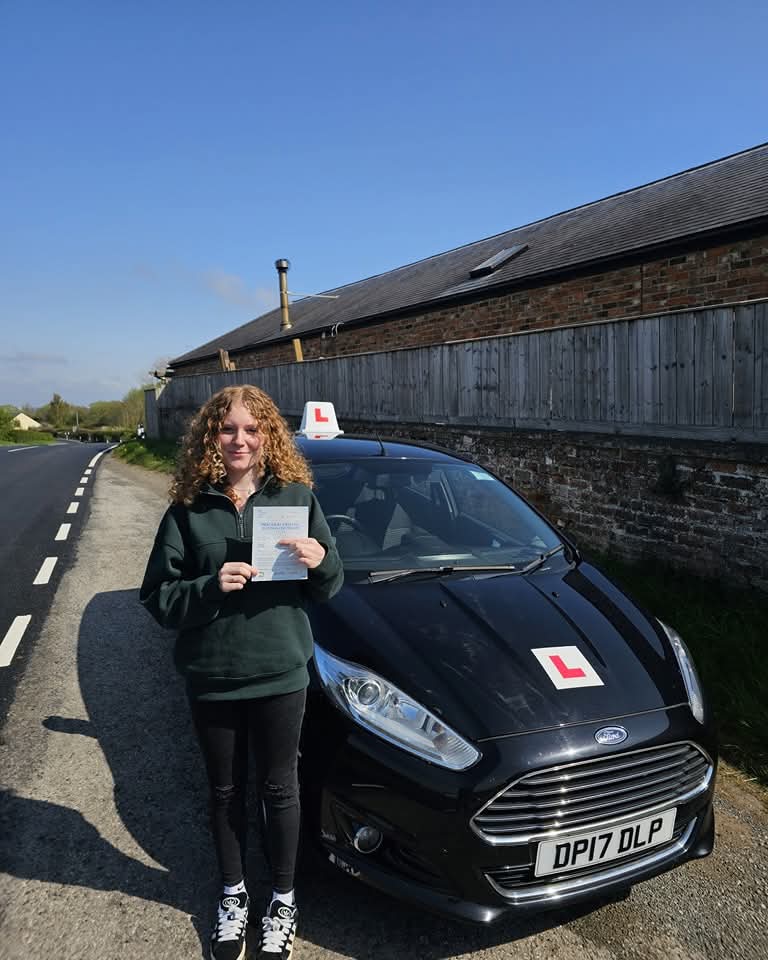
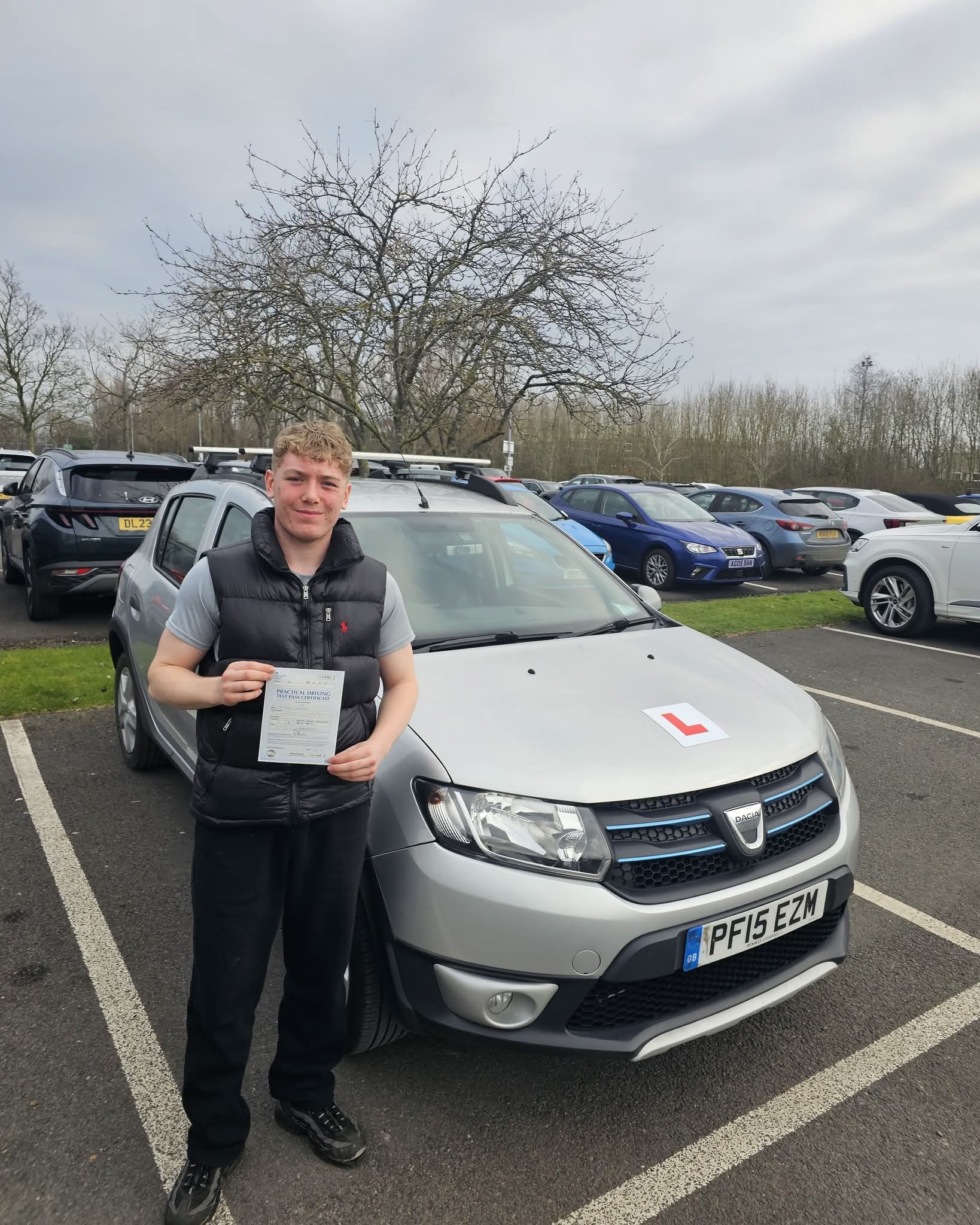
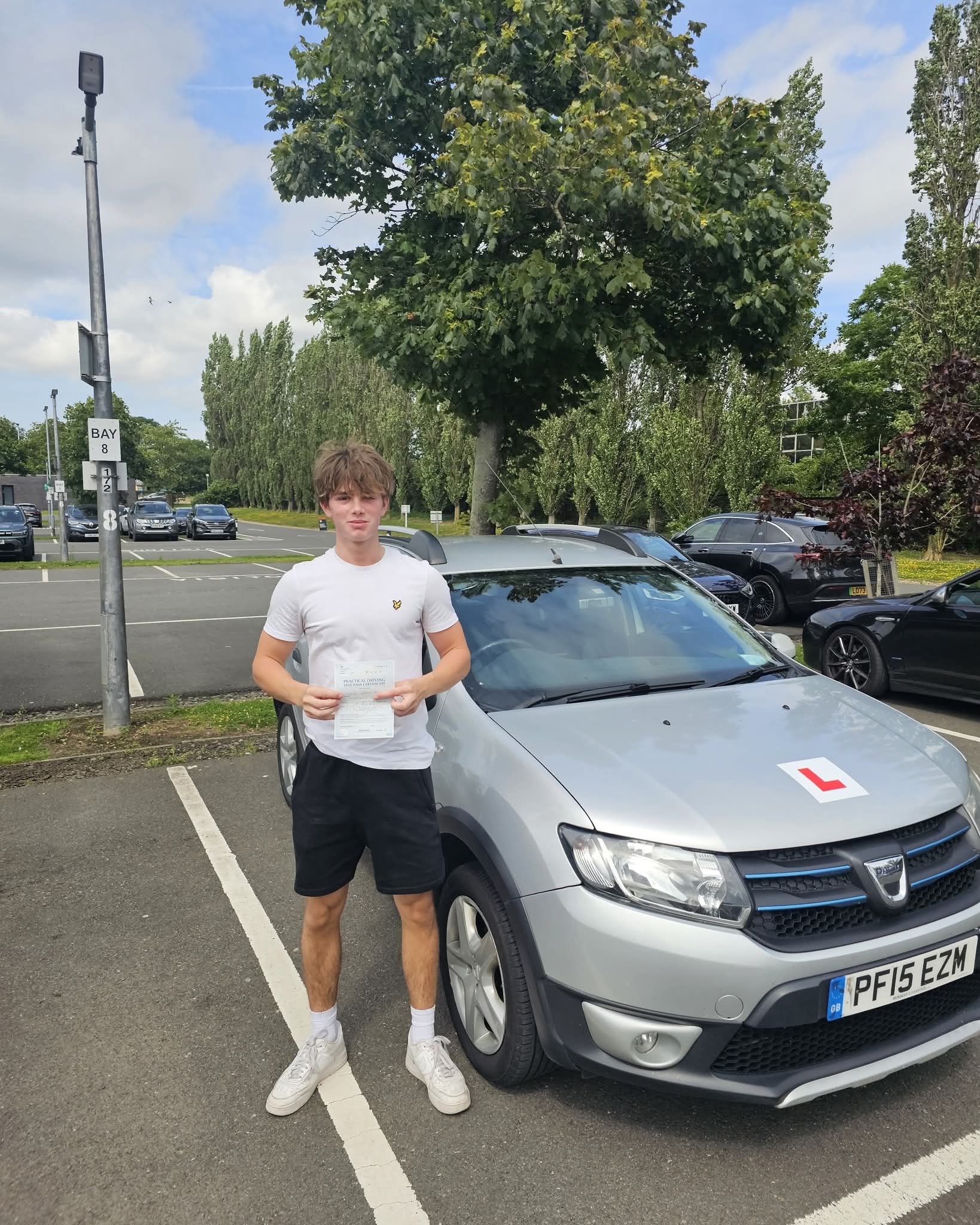
Whatever stage you're at, there's a structured course built around it, not a one-size-fits-all approach.
Perfect for someone starting lessons or waiting for their first lesson. Prepare before getting into the car and understand the learning process.
For people already taking lessons. Understand what is being taught and make better use of instructor time.
For people learning with family or friends. Follow a structured learning process that supports private practice.
Understand UK road rules, positioning, roundabouts and expectations before switching to a UK licence.
Want to understand how your test area works? Explore our Darlington Driving Test Centre and Route Guide.
Follow a clear process instead of guessing.
Build confidence on different road layouts.
Improve mirror checks, planning and awareness.
Prepare for real-world driving situations.
Learn around Darlington roads and traffic conditions.
A clear teaching structure used across every lesson and course.
Instructor demonstrates and explains what's coming up and why it matters.
Learner starts making decisions with support, with fewer full explanations.
Learner develops confidence and safe judgement without prompting.
Prepare with structured driving test route guidance, understand local roads and build confidence before your practical test.
Works alongside your driving lessons and courses to help you get more from every session.
Structured preparation that covers the real situations you'll face on test day, not just repeated laps of the same route.
Both are available. Here's an honest breakdown to help you choose.
The cost of learning to drive depends on your experience, lesson frequency and whether you choose manual or automatic lessons. Some learners prefer weekly lessons, while others choose structured courses to progress faster and get more value from every session.
| Option | Best For | Structure | Progress |
|---|---|---|---|
| Weekly Lessons | Learners who want flexibility and a steady pace | Regular, ongoing sessions | Builds gradually over time |
| Structured Courses | Learners who want to progress faster with a clear plan | Focused block of structured teaching | Faster progression towards test readiness |
| Private Practice + Lessons | Learners supplementing lessons with family/friend practice | Lessons plus guided private practice | Reinforced between sessions |
Every learner is different. Some learners need more time building confidence, while others progress faster with structured practice between lessons. The focus should always be becoming a safe and independent driver, not simply completing a number of hours.
Structured learning that goes beyond the standard hour-long lesson, with real experience behind it.
Genuine Google reviews from real pupils in Darlington and surrounding areas.
John is not only a good professional instructor but he is also an amazing person as well. He helped on a very short notice with the test routes and mock test due to which I passed my test with only 1 minor.
When I moved to Darlington and began taking manual driving lessons, I reached out to John. He not only helped me improve my driving skills but was also extremely patient and supportive in helping me overcome my anxiety and fear of driving.
John is a patient and informative driving instructor, helping my daughter learn to drive.
John was a perfect choice for our daughter who was incredibly nervous about learning to drive. Absolutely certain that her first attempt pass was attributable to John's teaching.
John is an excellent instructor who helped me go from 0 experience to passing my practical test in 5 months. He's very patient and kind, and always helps to the individual's ability.
John was very helpful inside and out the car with my confidence from start to finish, he made me feel comfortable as I had not drove for almost 9 months, can't thank him enough.
Costs vary depending on experience, lesson frequency and whether you choose manual or automatic. Structured courses are also available for learners who want to progress faster.
Yes, structured courses are available for learners who want a faster, more focused path towards test readiness.
It depends on your goals. Manual gives more vehicle control and choice after passing, automatic makes it easier to focus purely on observation as a beginner.
Yes. RouteBuddy works alongside your lessons and courses, helping you build route familiarity and confidence between sessions.
Yes, lessons are structured around your own pace, using the Guided, Prompted, Independent method to build confidence steadily rather than rushing.
Start building your confidence with structured support designed around your goals.