A690: faster roads & slip roads
Building speed confidently on slip roads, judging gaps when merging, holding a steady speed and planning lane changes well in advance.


Driving test routes, local roads, pass rates & expert preparation
Everything you need before your practical test at Durham: where the centre is, the local roads you're likely to practise on, how the test is marked, what to bring on the day, and how to turn nerves into a confident, well-prepared drive.
Figures derived from DVSA car practical test data published on GOV.UK. Pass rates change every quarter, always check the latest DVSA data.
Durham's DVSA car test centre is in Meadowfield, on the south-west edge of the city off St Johns Road, close to Browney Lane and the A690. Most tests start and finish here, so it pays to know the surrounding roads well.
Facilities can change. For up-to-date parking, toilets and accessibility, use the DVSA centre finder with postcode DH7 8XL.
From Durham city, head south-west on the A690 or join the A167 and follow signs for Meadowfield and Brandon. Approaching via Browney Lane brings you towards St Johns Road and the industrial estate.
Aim to be there around 10 minutes before your test time. Arrive too early and you may wait in the car; arrive late and your test may not go ahead.
Use the parking your instructor normally uses for this centre and avoid blocking units on the industrial estate. Confirm current arrangements with the DVSA centre finder.
The centre is on a first floor. If you have access needs, tell DVSA when you book so reasonable adjustments can be arranged.
Durham sits close to, and recently slightly above, the national average. That makes it a fair, mid-range centre: not "easy", not "hard". Preparation decides the result far more than the postcode.
Source: DVSA car driving test data by test centre (GOV.UK). Figures exclude cancelled tests.
Roughly half of all Durham candidates pass. The ones who don't usually fail on a small number of repeat faults: observation at junctions, lane discipline on roundabouts and responding to hazards on faster roads.
Manual candidates have recently passed more often than automatic candidates here, but that reflects who takes each type of test, not the gearbox. Learners who practise the local road types, understand how faults are marked and take a mock test beforehand give themselves the best chance.
No course, app or instructor can guarantee a pass. What good preparation does is remove surprises.
DVSA doesn't publish its examiners' routes, and no road is guaranteed to appear on your test. But Durham's test area mixes fast dual carriageway, busy city junctions, steep historic streets and rural lanes, practise all six of these and very little will catch you out.
Building speed confidently on slip roads, judging gaps when merging, holding a steady speed and planning lane changes well in advance.
Multi-lane approaches and traffic lights where early lane selection, reading road markings and clear signals make all the difference.
Pedestrian crossings, bus stops, cyclists and student foot traffic near the university. Keep speed low and scan constantly for people stepping out.
Narrower roads with parked cars where you'll need to decide who has priority, hold back safely and meet oncoming traffic without hesitation.
National speed limit stretches, bends, junctions hidden by hedges and slow vehicles. Practise reading the road ahead and adjusting speed before a bend.
Roundabouts and residential estates on the east side, a great area to practise independent driving to sat nav instructions and following signs.
Use this as a practice planner with your instructor or supervising driver. Areas are suggestions for building skills, not official DVSA test routes.
| Area / road | Road type | Skills to practise |
|---|---|---|
| A690 | Dual carriageway | Joining and leaving at speed, lane discipline, safe following distances |
| A167 | Main through-route | Roundabout approaches, traffic lights, lane selection, speed limit changes |
| Browney Lane | Local link road | Parked cars, meeting oncoming traffic, junctions near the test centre |
| Durham city centre | Urban / historic | Pedestrians, crossings, bus lanes, hill starts and low-speed control |
| Nevilles Cross | Busy junctions | Multi-lane approaches, signals and observation at traffic lights |
| Langley Moor & Brandon | Residential / village | Side roads, emerging from junctions, pull up on the right, bay parking |
| Framwellgate Moor | Suburban | Roundabouts, residential turns, school zones and traffic calming |
| Gilesgate | Suburban / A690 links | Roundabouts, independent driving to signs, mini-roundabouts |
| Belmont & Carrville | Estates & A-roads | Sat nav following, estate driving, parallel parking practice |
Road layouts and speed limits change. Always obey signs on the day and follow your examiner's or sat nav's directions.

RouteBuddy turns random practice into targeted practice. Choose Durham, download the route pack, and follow turn-by-turn directions around the kind of roads examiners use, with your instructor or a family member.
Your test may not follow a route you've practised. Examiners use different routes. Practising several builds familiarity with the roads and junctions you're most likely to meet. Prices set by RouteBuddy and may change.
You'll be asked to do one reversing manoeuvre. Some candidates are also asked to do an emergency stop. Control, all-round observation and accuracy matter more than speed.
Park at the side of the road behind a parked vehicle, within about two car lengths. Keep checking all round as you reverse.
Either drive in and reverse out, or reverse in and drive out. You'll often do this at the test centre or in a car park.
Pull up on the right-hand side, reverse about two car lengths, then rejoin traffic safely. Observation is everything.
Stop quickly and under control when the examiner signals. Check all round before moving off again.
The practical test lasts around 40 minutes and follows the same structure at every centre in Great Britain. Knowing each stage takes a lot of the fear out of it.
Bring your UK photocard provisional licence and a suitable, roadworthy car with L-plates (an instructor's car normally ticks every box). Wait in the waiting area for the examiner.
You'll read a number plate from about 20 metres in good daylight, wearing glasses or contact lenses if you need them. Fail this and the test stops there.
Before you drive off, the examiner asks one vehicle safety "tell me" question, for example how you'd check the tyres or brakes.
You'll drive in varied traffic and road conditions. Expect normal stops at the side of the road, a hill start and moving off from behind a parked vehicle.
At a safe moment, you'll be asked to show how to operate something, such as the rear demister or headlights.
Most candidates follow directions from a sat nav provided by the examiner; some follow road signs instead. Going the wrong way isn't a fault on its own if you do it safely.
One reversing exercise, as above, and possibly an emergency stop.
Back at the centre the examiner tells you the result and talks through any faults. Your instructor can sit in for the feedback if you'd like.
Not potentially dangerous, but repeated could become serious. You can have up to 15 and still pass.
Something potentially dangerous. One serious fault means a fail, including repeating the same minor fault too often.
Actual danger to you, the examiner, the public or property. One dangerous fault means a fail.
The last seven days should be about consolidation, not cramming. Here's how instructors typically structure them, and the faults that most often turn a good drive into a fail.
Eat beforehand, arrive with time to spare and slow your breathing at red lights. If you make a mistake, let it go, one error rarely fails a test on its own. Some learners book a lesson just before the test as a warm-up.
You won't know every road, and you don't need to. Practise reading signs early, listen to the full sat nav instruction, and if you're unsure, ask the examiner to repeat it.
Your car must be taxed, insured for a test, roadworthy, smoke-free, with L-plates and an extra interior mirror for the examiner. Check GOV.UK's car rules before test day.
Book and change practical tests only through the official GOV.UK service. Durham waiting times vary, so check regularly for earlier slots. Give at least 3 full working days' notice to change or cancel without losing your fee.
If DVSA cancels at short notice (for example due to weather or examiner illness), you'll be offered a new date and may be able to claim reasonable out-of-pocket expenses. Check GOV.UK for the current rules.
Passed? You can usually drive straight away. DVSA can send your full licence automatically. Didn't pass? Use your examiner's feedback, rebook (there's a minimum gap of 10 working days) and focus practice on the faults recorded.
JNDS Online is powered by John Nicholson Driving School. Our online driving courses complement your lessons, so the time you spend in the car goes on the things that actually decide your result.
Lessons with a good instructor are essential. What makes the difference is how the rest of your preparation is organised.
Driving wherever is convenient.
Professional tuition, but limited hours.
Structured preparation in and out of the car.
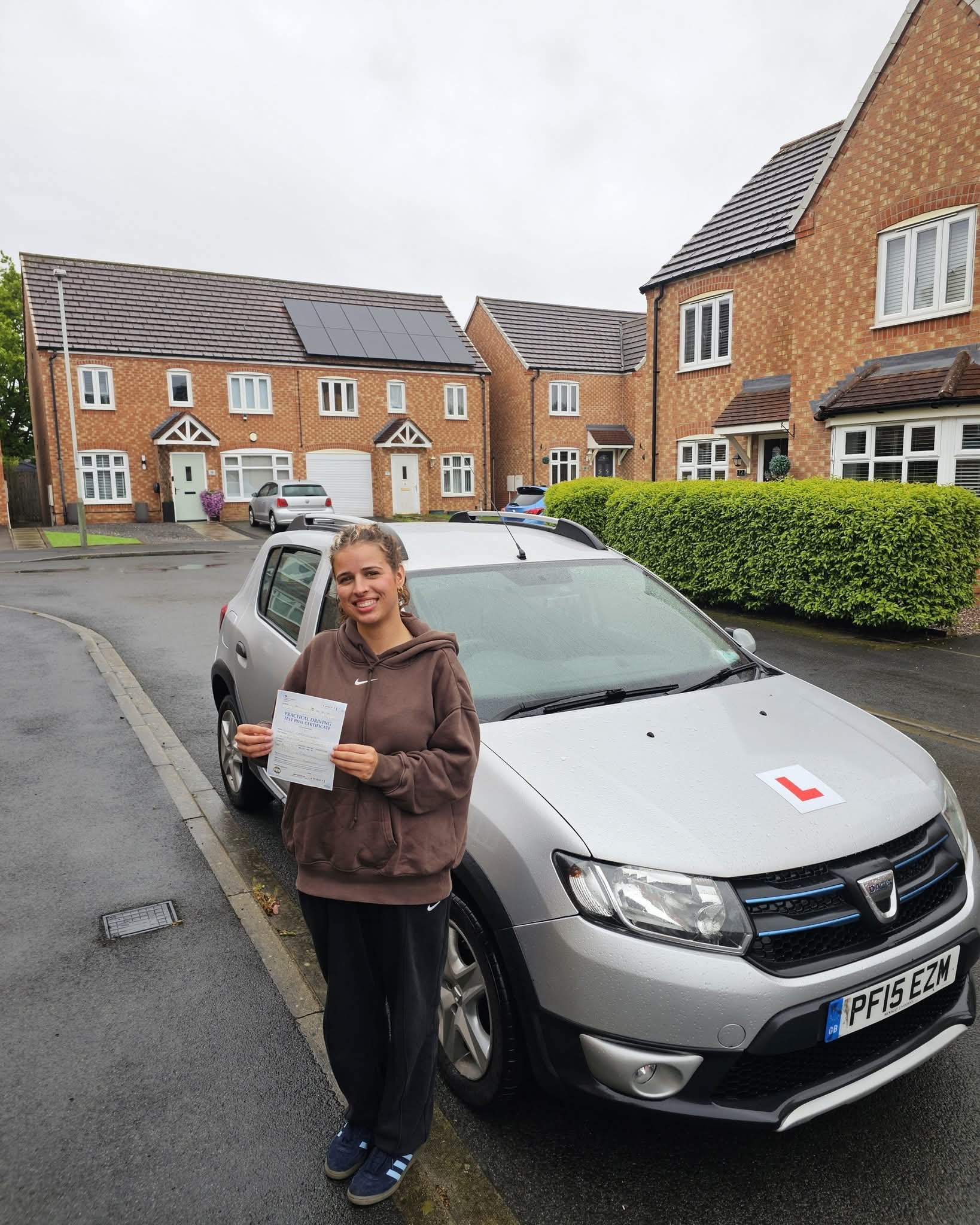
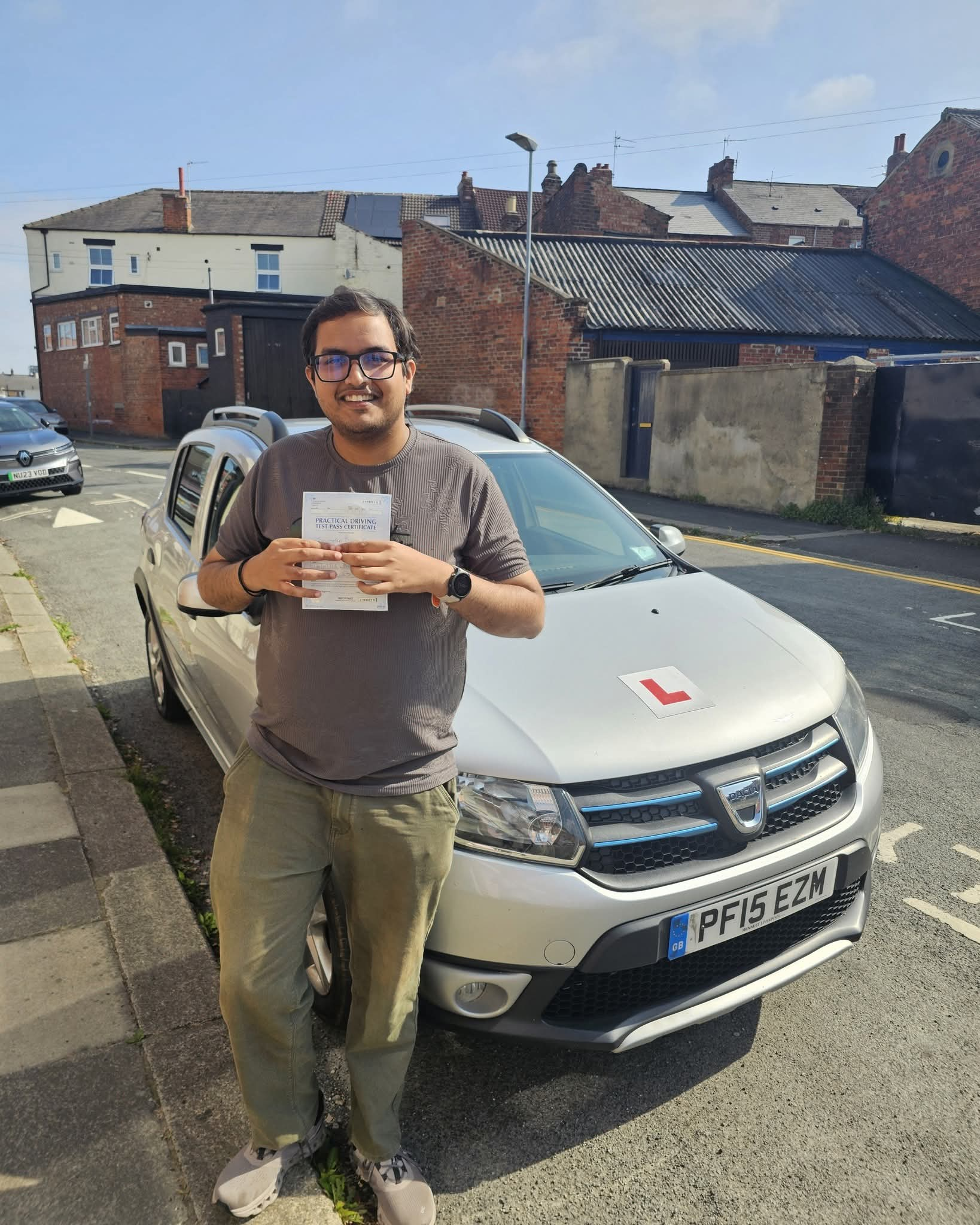
Real learners, real pass days, from students who prepared with JNDS Online and John Nicholson Driving School.
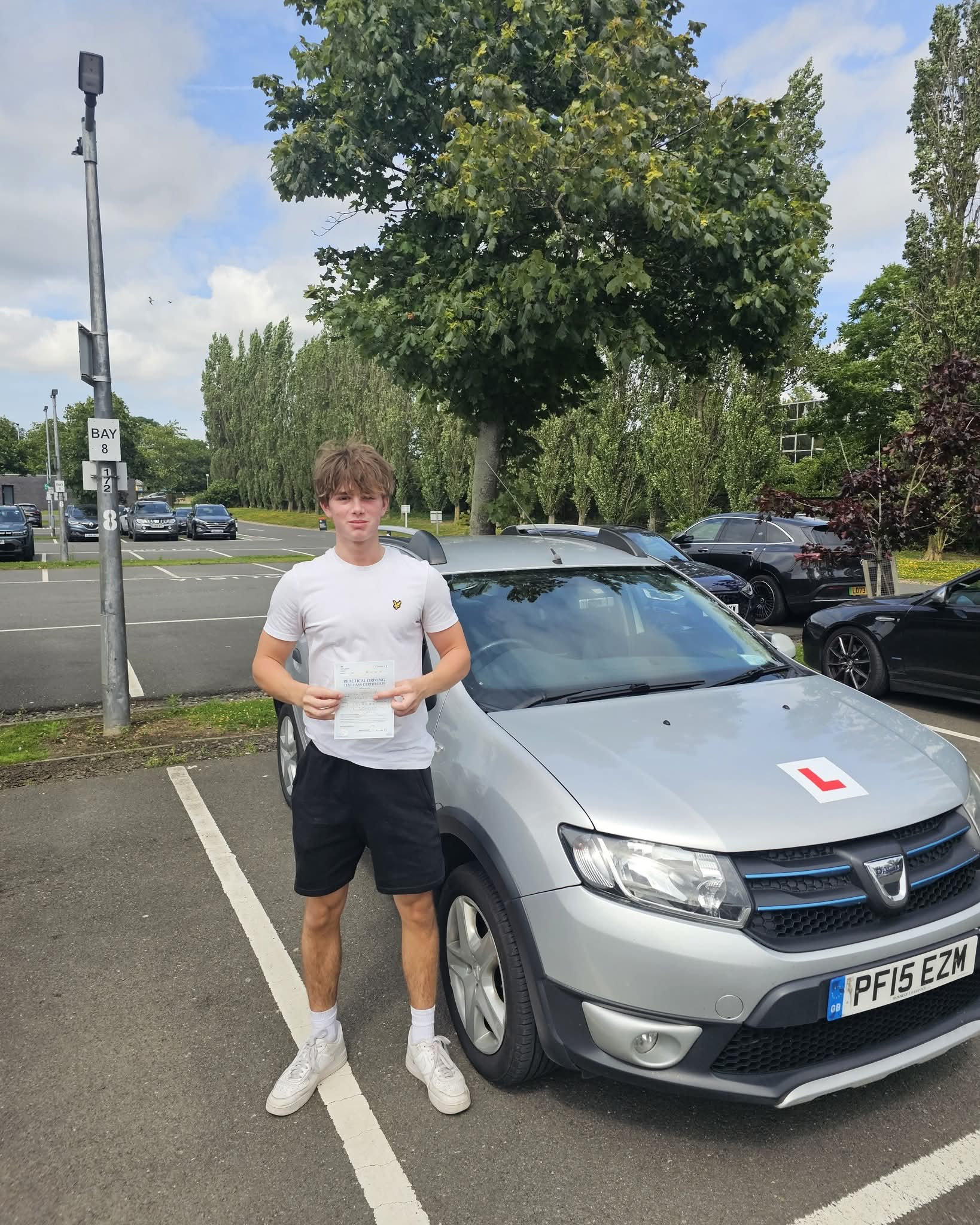
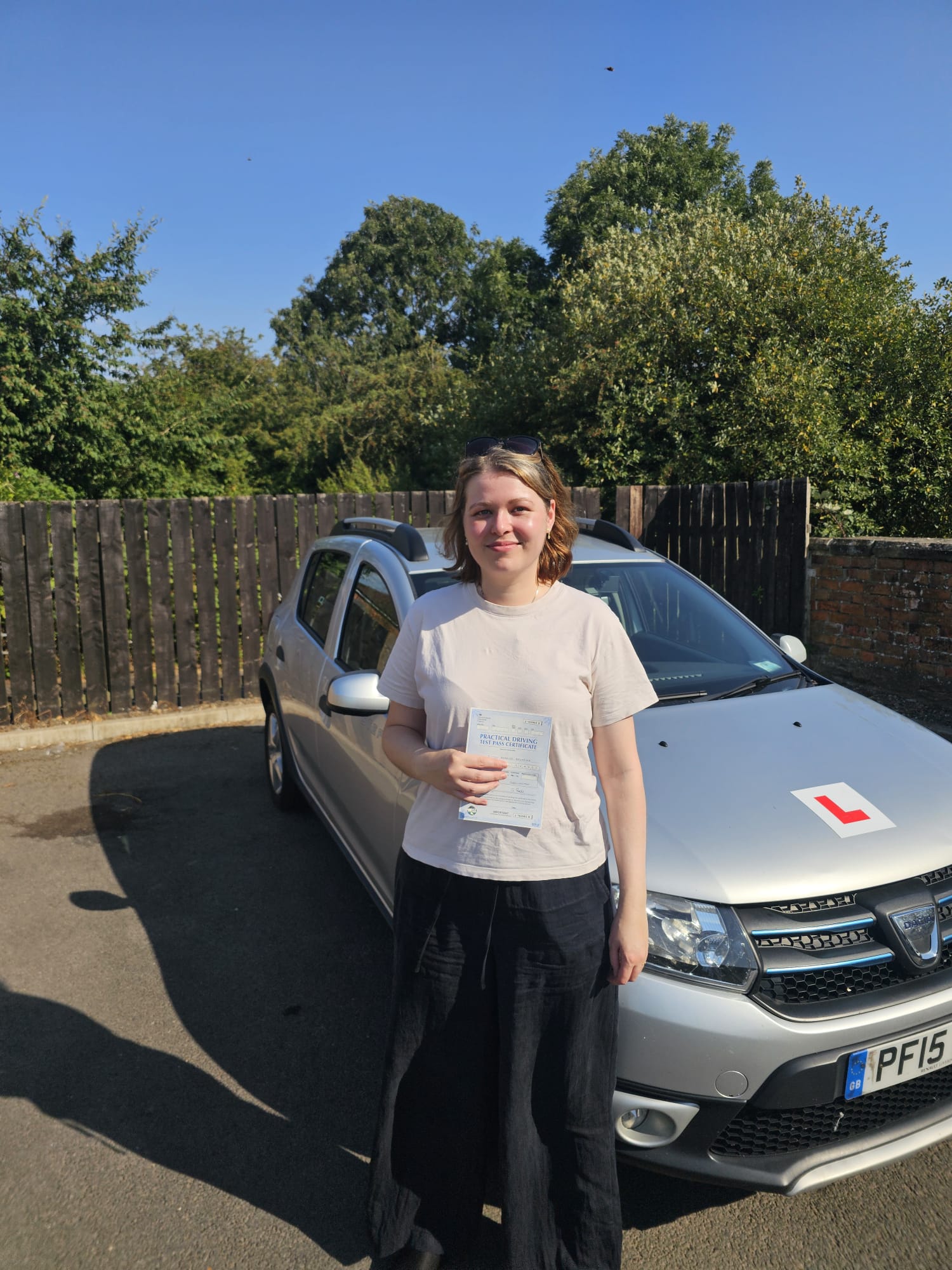
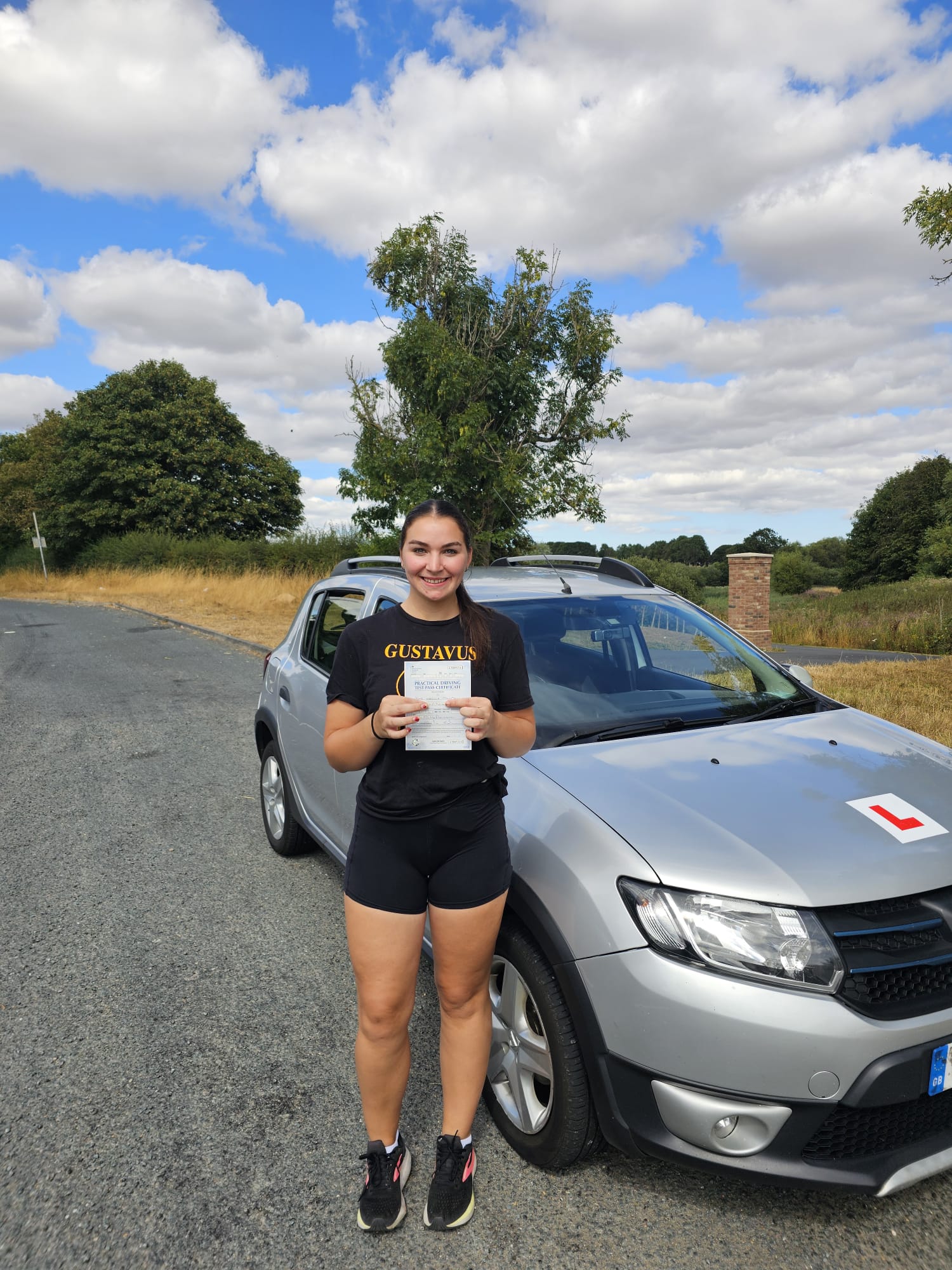
John was a perfect choice for our daughter who was incredibly nervous about learning to drive.
Absolutely certain that her first attempt pass was attributable to John’s patience, excellent instruction and calm manner.
Thank you John, we couldn’t recommend you more highly

John is an excellent instructor who helped me go from 0 experience to passing my practical test in 5 months. He's very patient and kind, and always helps to the individual's ability.
Each of the lessons have structure to them and he teaches to the individual's comfort level.
I just passed this week - and I am very grateful to John for his guidance. I would recommend him as an instructor to anyone looking for driving in Darlington. It is no wonder you see him getting excellent reviews from others, he is just that good as an instructor.

Jnds online gave me a huge advantage on the driving courses as when my driving instructor was teaching me new acronyms for example MSPSL I understand before I got in to my lesson what they ment due to the driving courses John has provided.
I also found his test centre reviews helpful, which is free for anyone to read to help me get all rhe up to date staticlstjcs for my local driving test centre.
Thankyou John for putting this learner Playford together. It helped massively to me passing my driving test 1st attempt.

We'd love to hear how your Durham test went. Your review helps other learners in County Durham choose how to prepare.
You need to pass your theory test before you can book a practical test at Durham. Practise multiple-choice questions and hazard perception clips until you're consistently passing with room to spare.
Whether you can drive on a foreign licence, or exchange it, depends on the country that issued it and how long you've lived in Great Britain. If you must pass a UK test, expect the same practical test as every other candidate. Check your country's rules on GOV.UK first.
Struggling to find a Durham slot? These centres are within reach, but remember you'll need to know their local roads too.
Learning around Darlington? See driving lessons in Darlington or browse all UK test centre guides.
It's at 1st Floor, Enna House, Whitfield Court Industrial Estate, St Johns Road, Meadowfield, Durham DH7 8XL, on the south-west side of the city, close to Browney Lane and the A690.
DVSA data shows an overall car pass rate of about 53.2% for 2025/26, up from 49.6% in 2024/25. That's close to the national average. Figures are updated quarterly on GOV.UK.
Not especially. Its pass rate is around the national average. The area does combine dual carriageway, busy junctions, a historic city centre and rural roads, so well-rounded preparation matters.
DVSA no longer publishes test routes, and examiners can vary them. Apps such as RouteBuddy provide routes around the test area so you can practise the roads and junctions you're likely to meet, but your actual test may follow a different route.
About 40 minutes of driving, including roughly 20 minutes of independent driving. Allow extra time for checking in and for your result and feedback.
Your UK photocard provisional licence and a suitable car. If you use your own car, it must be roadworthy, taxed, insured for the test, have L-plates and an extra interior mirror. Bring glasses or contact lenses if you need them.
Up to 15 driving faults, with no serious or dangerous faults. Repeating the same minor fault many times can be marked as a serious fault.
Waiting times change constantly. Check availability on the official GOV.UK booking service, and look regularly for earlier cancellations. Only book through GOV.UK.
Yes. If you pass in an automatic, your licence will only let you drive automatic cars. You'd need to pass a manual test to drive manual cars.
Yes. Once you've downloaded the Durham route pack, RouteBuddy navigates the downloaded routes offline. You can start from £1, and a monthly plan is also available.
The examiner will explain your faults. You can rebook, but there must be at least 10 working days before your next test. Use the time to work specifically on the faults recorded.
No. Nobody can honestly guarantee a pass. Our courses help you understand the test, manage nerves and practise with purpose, alongside lessons with a qualified instructor.
More questions? Read our UK driving test FAQs.
Combine expert lessons, JNDS Online courses and RouteBuddy practice, and take the surprises out of test day.