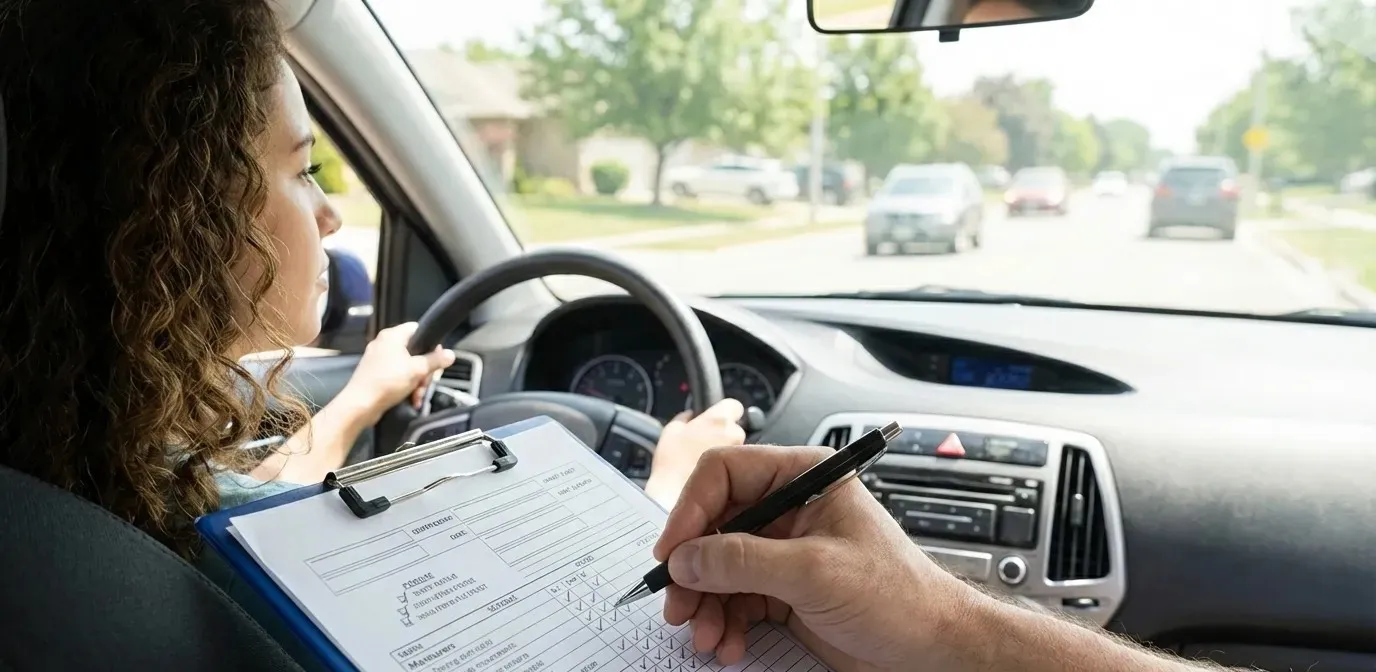
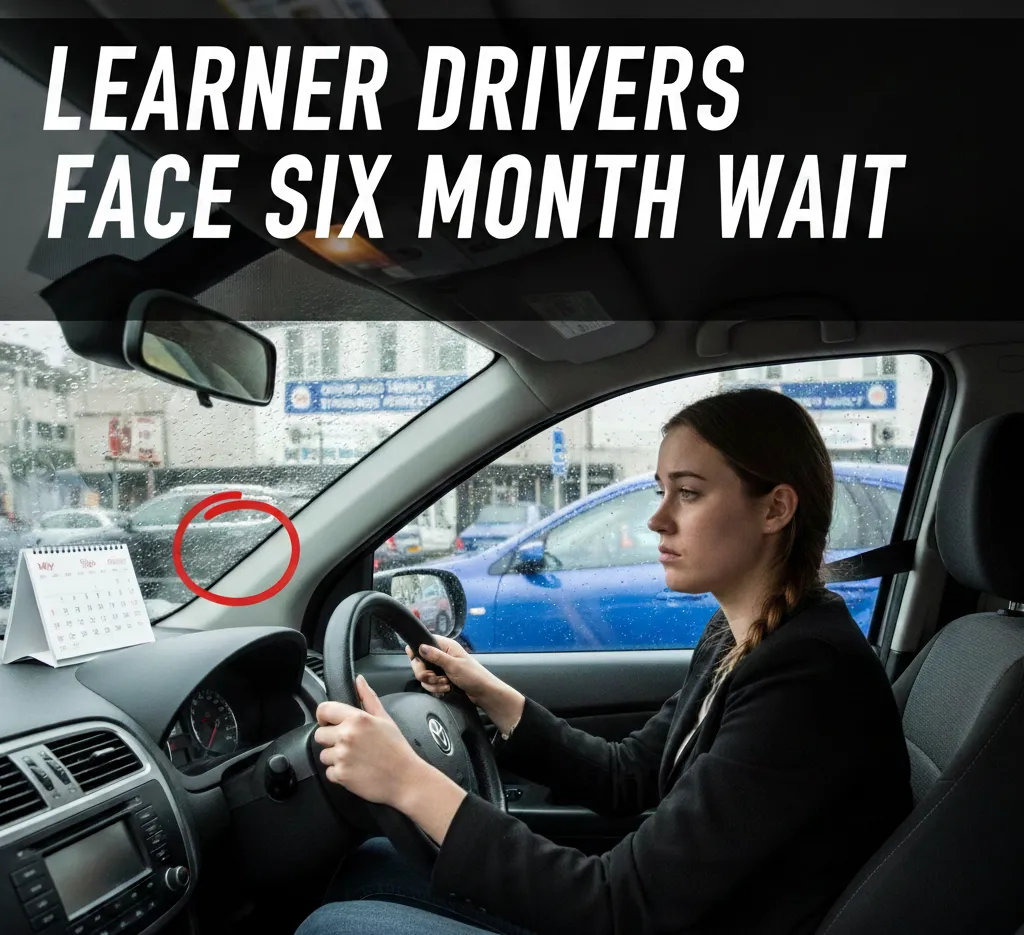
Learner drivers in England and Wales may soon be required to wait up to six months between passing their theory test and taking their practical driving test. The proposal is part of the government’s newly announced road safety strategy, which aims to reduce serious injuries and deaths on UK roads over the next ten years.
The plan will go through a public consultation, with the government considering a minimum learning period of either three or six months.
Official figures show that young and inexperienced drivers are involved in a disproportionate number of serious crashes. Although young people make up a small percentage of drivers, they account for a significant share of fatal and serious road incidents.
In 2024:
The government believes that a mandatory gap between tests would allow learners to build confidence and experience in different road and weather conditions, improving overall driving standards.
Under the new rules, learner drivers would still be able to:
However, after passing the theory test, they would need to complete a minimum learning period before booking a practical test. This learning time would include:
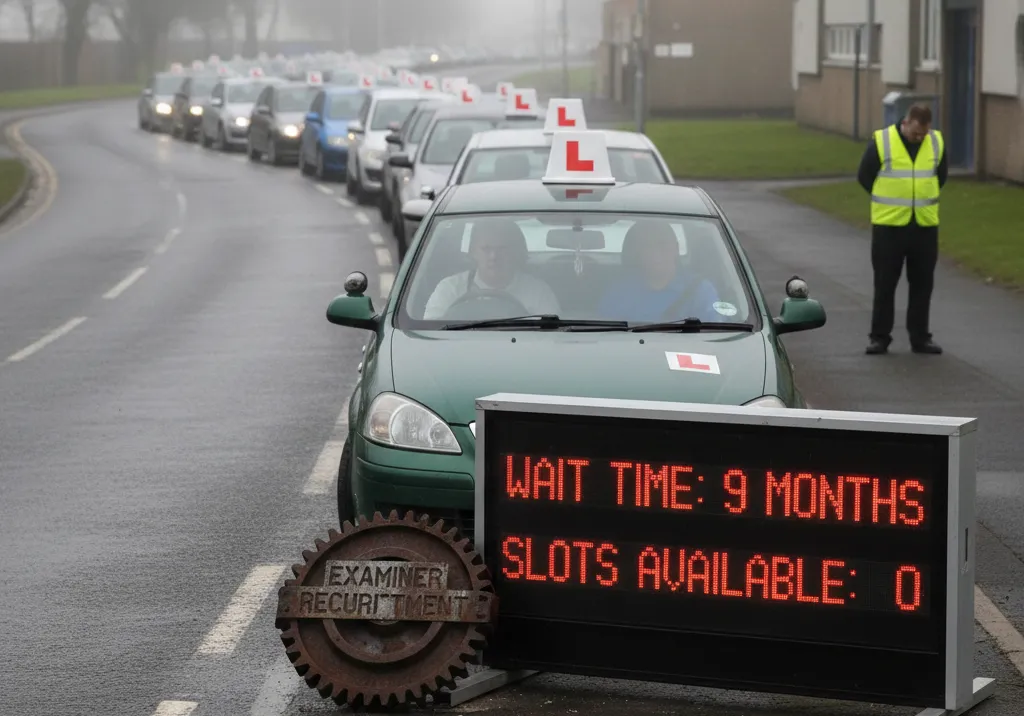
In reality, many learners already wait several months due to test backlogs, which are expected to continue until late 2027. The key difference is that the waiting period would become a formal requirement.
If introduced, the change would prevent teenagers from passing their driving test immediately after turning 17, meaning the youngest qualified drivers would be closer to 17½ years old.
Research from other countries suggests that structured learning periods can lead to:
This evidence has played a major role in shaping the government’s proposal.
The road safety strategy also includes plans to reduce drink-driving limits in England and Wales, bringing them closer to Scotland’s standards.
Proposed changes include:
Motoring groups such as the AA stress that alcohol affects individuals differently and warn against assuming any fixed number of drinks is safe before driving. Their advice remains simple: do not drink at all if you plan to drive.

While safety groups have largely welcomed the proposals, the pub industry has raised concerns. Representatives argue that tighter drink-driving limits could:
They have urged the government to consider ways to reduce the economic impact.
Alisa Fielder, 22, from Surrey, passed her driving test as a teenager but was involved in a motorway crash a year ago while overtaking a lorry. Although no one was injured, her car was written off.
Looking back, she believes a lack of experience played a role. After taking an assessment with IAM RoadSmart, she realised her driving standard was not as strong as it should have been.
She now feels that learning should not stop at passing the test, and that more structured training could help prevent similar incidents.
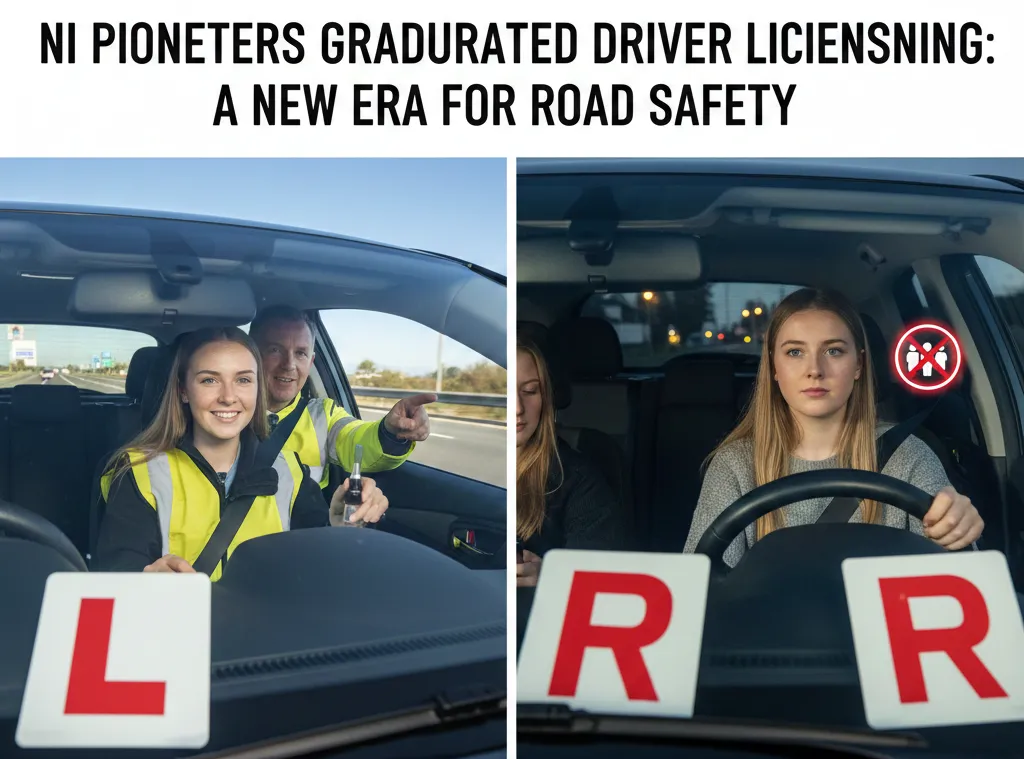
Road safety campaigners continue to push for graduated driving licences (GDLs), which would introduce restrictions for newly qualified drivers, such as limits on passengers or night-time driving.
Sharron Huddleston, whose 18-year-old daughter was killed in a crash, supports the proposed learning period but believes it does not go far enough. She argues that restrictions after passing the test could save lives, particularly by reducing peer pressure among young drivers.
Experts agree that young drivers are especially vulnerable to distraction and peer influence, partly due to ongoing brain development.
Transport Minister Lilian Greenwood said inexperienced drivers face higher risks and that the proposed changes are designed to give learners more time to build skills safely.
The wider road safety strategy also targets speeding, mobile phone use, drug driving, and seat belt compliance, while exploring technology such as built-in breathalysers and tougher licence suspension powers.
BBC News – Learner drivers may have to wait six months before taking test