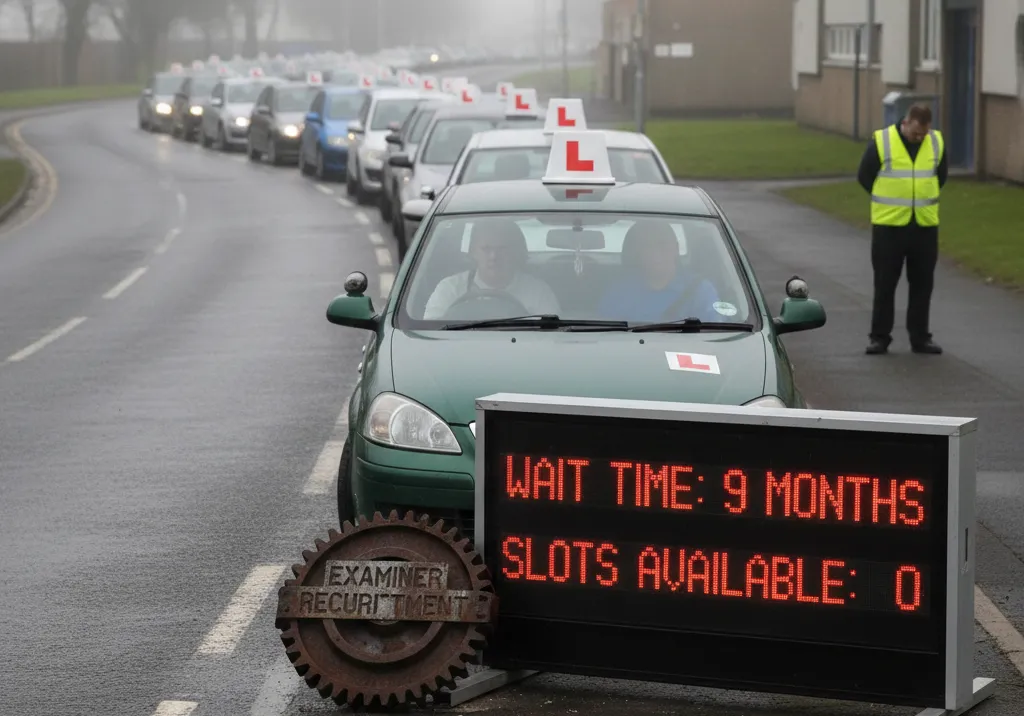
According to a warning issued by the watchdog body, the National Audit Office (NAO), learner drivers are facing significant delays that are projected to last for years. The NAO estimates that the current backlog of practical driving tests will not be fully cleared until November 2027. The root of this crisis lies in the Covid-19 pandemic, which prevented approximately 1.1 million tests from taking place during the 2020/21 financial year. Of those cancelled appointments, roughly 360,000 have still not been rebooked.
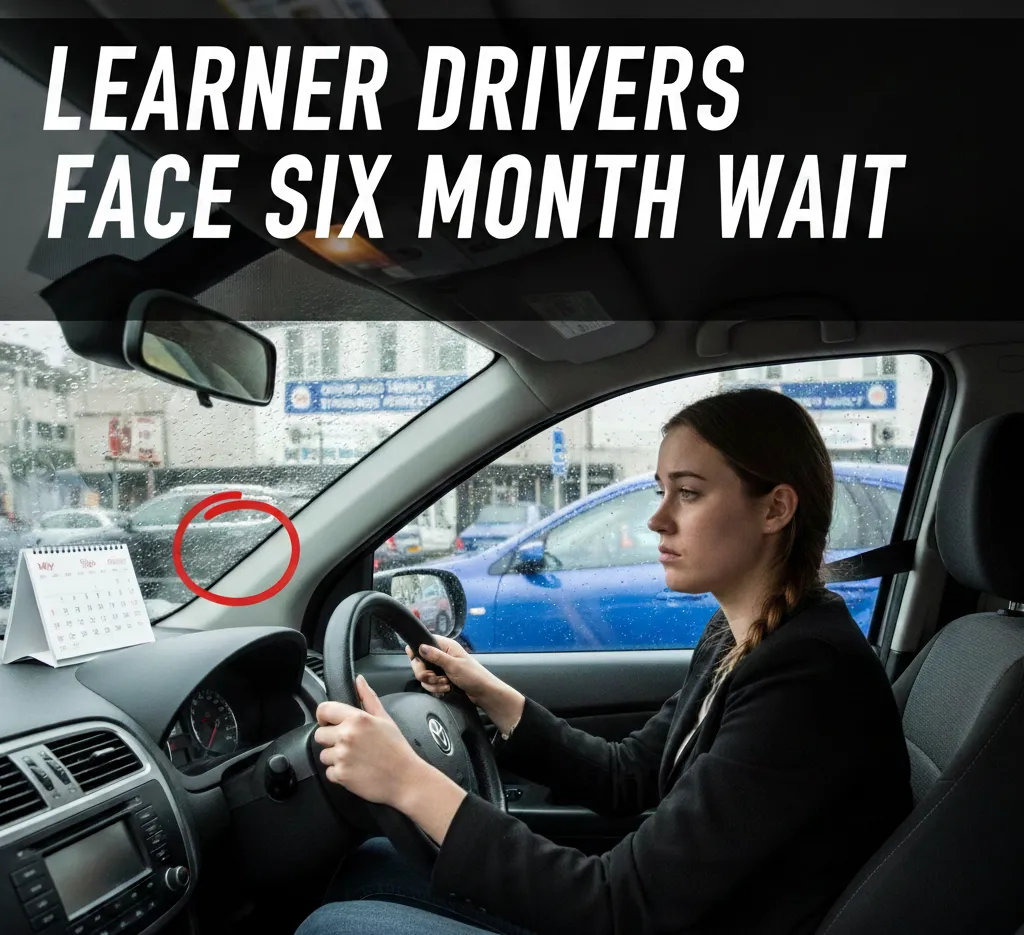
The impact on waiting times has been severe. As of September, the average wait for a test was 22 weeks. However, the situation is even more acute at the majority of testing locations; 70% of test centres have reached the maximum booking window of 24 weeks. The Driver and Vehicle Standards Agency (DVSA) had originally set a target to reduce these waiting times to just seven weeks by the end of 2025, a goal that now seems distant. In response, the Department for Transport (DfT) stated it is taking "decisive action," which includes drafting in military personnel to conduct driving exams.
The NAO inquiry uncovered that the scarcity of slots has created a predatory secondary market. Third-party resellers are using automated "bot" software to instantly book available slots, making it difficult for the DVSA to gauge genuine demand. Consequently, desperate learners are turning to these resellers, paying inflated prices as high as £500—nearly eight times the standard weekday fee of £62. The watchdog noted the severe economic impact of this, highlighting that 30% of survey respondents require a driving licence specifically for their employment.
Industry experts point to systemic shifts contributing to the pressure. Seb Goldin, CEO of RED (one of the UK's largest driving schools), explained to Radio 5 Live that the average age of a learner driver has risen from 17 to 26. He noted that older learners are seeking licenses to access better career options and avoid expensive public transport, causing demand to get "stuck in the system."
Compounding this demand is a failure to recruit enough staff. The NAO reported that examiners are leaving the profession due to "safety concerns and uncompetitive pay." Despite launching 19 separate recruitment campaigns since 2021 with a goal of hiring 400 new examiners, the DVSA has only managed to recruit a net total of 83. As of September, the workforce stood at just 1,544 qualified examiners across 321 centres.

The delays are taking a heavy toll on individuals. Martha Machiek, a single parent from Stockport, described her immense stress as she attempts to book a test to help transport her children. Her theory test certificate is due to expire at the end of the month; if she cannot secure a practical slot before then, she faces the financial burden of starting the process over—a cost she says she cannot afford. "The system is not being fair on people like us," she stated.
Desperation has led to "driving test tourism," where students book tests in distant, quieter regions. An instructor in Inverness reported receiving inquiries from learners as far away as London. He argued this practice unfairly displaces local residents who rely on driving for their livelihoods.
Gareth Davies, the head of the NAO, has called for immediate action to fix the "unsatisfactory" system and stop the exploitation of learners. The government acknowledges the system they inherited was open to abuse but claims improvements are underway. A spokesperson announced that, starting this spring, only learner drivers will be permitted to book tests, and strict limits will be placed on swapping slots to shut out third-party touts. The government noted that the DVSA carried out nearly 75,000 extra tests between June and November compared to the previous year, aimed at delivering thousands more in the near future.
Reference: This detailed report is based on information originally published by BBC News.