
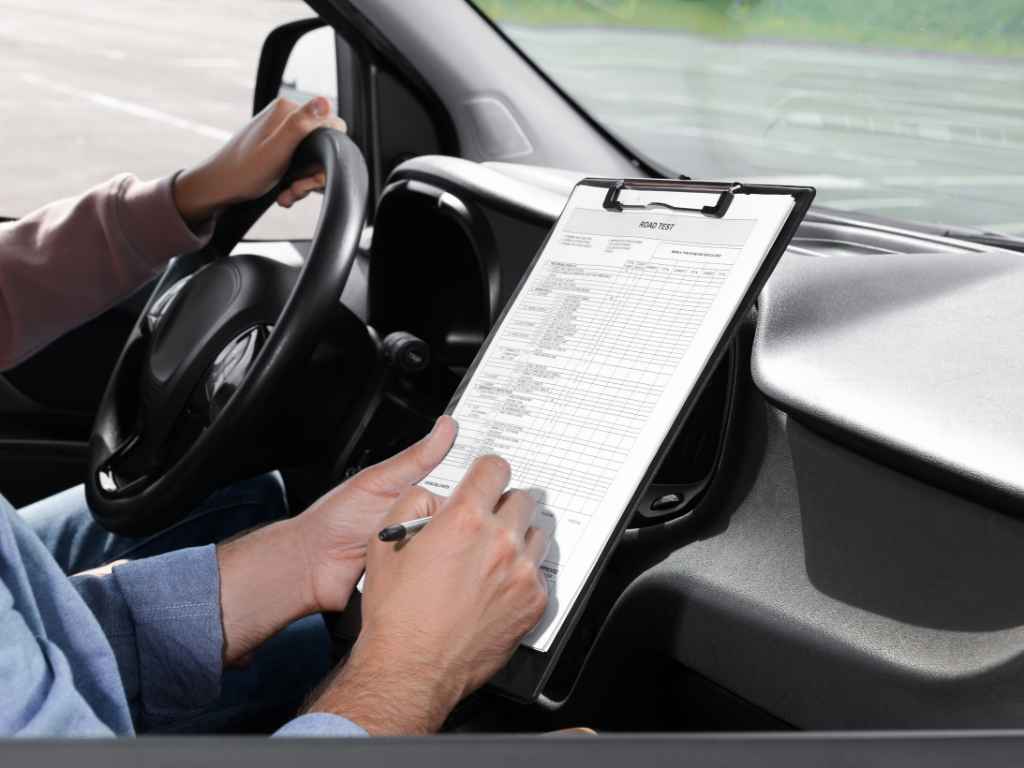
Why Learner Drivers Fail Their Driving Test
For many learner drivers, the practical driving test can feel stressful from the moment they arrive at the test centre. Even drivers who perform confidently during lessons can become nervous once the examiner steps into the car. In most cases, people do not fail because of one major mistake. Instead, it is usually several small driving test mistakes that gradually build up throughout the test.
Preparation plays a major role in passing your driving test. Understanding how the test works, practising regularly, and building confidence behind the wheel all help reduce pressure on the day. Examiners assess more than just vehicle control. They also look closely at awareness, observation, road positioning, decision making, and overall road safety.
Small errors can quickly become serious faults if they create danger for other road users. This is why learner drivers must focus on consistency, concentration, and safe driving habits throughout the entire test.
Most Common Driving Test Mistakes
One of the most common driving test mistakes is failing to come to a complete stop at junctions, stop signs, or traffic lights. Rolling stops are considered dangerous because they reduce observation time and increase accident risks.
Poor observation at junctions is another major reason for failed driving tests. Learners sometimes rush through quiet roads without checking mirrors, blind spots, or approaching traffic properly. Examiners want to see clear and deliberate observation at every junction.
Lack of vehicle control is also regularly marked during practical driving tests. Common issues include poor clutch control, coasting, stalling, harsh braking, or selecting incorrect gears.
Incorrect mirror use can lead to serious faults. Learners must check mirrors before changing speed, position, or direction. Failing to show proper mirror checks suggests poor road awareness.
Roundabouts also create problems for many learner drivers. Hesitation, incorrect lane positioning, poor signalling, or failing to yield correctly can quickly lead to faults.
Driving too slowly is another overlooked issue. While safe driving is important, driving significantly below the speed limit can disrupt traffic flow and suggest a lack of confidence.
Other common mistakes include:
- crossing road markings incorrectly
- entering cycle lanes
- poor traffic light reactions
- incorrect braking technique
- lack of steering control
Roundabout Mistakes During the Driving Test
Roundabouts are one of the areas where many learner drivers lose confidence during their driving test. Examiners pay close attention to lane discipline, signalling, observation, and decision making.
Choosing the correct lane before entering the roundabout is extremely important. Learners who position themselves incorrectly often confuse other road users and create unnecessary risk.
Proper signalling at roundabouts also matters. Drivers should signal clearly when exiting and avoid misleading signals that could confuse traffic around them.
Maintaining safe progress is another key factor. Learners who hesitate excessively at roundabouts can be marked down for lack of confidence and poor judgement.
Yielding correctly is equally important. Drivers must assess traffic flow carefully while avoiding unnecessary delays.
Driving Test Manoeuvre Mistakes
Parking manoeuvres continue to catch out many learner drivers during practical tests. Parallel parking errors often happen because learners rush observations or position the car incorrectly.
Reverse parking faults are also common, especially when learners fail to check blind spots or control steering smoothly.
Hill starts can become problematic if clutch control is poor or if the vehicle rolls backwards. Examiners look for smooth coordination between clutch, accelerator, and handbrake control.
Emergency stop exercises are designed to assess reactions and control under pressure. Learners who brake too harshly or lose steering control may receive faults.
Vehicle Preparation Before Your Driving Test
Before attending your practical driving test, make sure your car is fully roadworthy and legally compliant. Many learners forget simple checks that can prevent the test from going ahead.
Ensure:
- insurance and tax are valid
- learner plates are displayed correctly
- tyres are safe and legal
- lights and indicators are working properly
- mirrors and windows are clean
Dashboard warning lights should also be checked before arriving at the test centre.
Parking correctly before the test can also help create a calm and organised start to the day.
How To Prepare For Your Practical Driving Test
One of the best ways to prepare for your practical driving test is by taking mock driving tests. These help learners experience realistic test conditions while improving confidence.
Practising in different weather conditions is also valuable. Rain, low visibility, and busy traffic can all affect driving performance, so gaining experience in different situations helps build safer driving habits.
Learning local driving test routes can also improve familiarity with junctions, roundabouts, speed limits, and road layouts.
Understanding RSA grading systems helps learners understand how faults are assessed and which mistakes carry the greatest risk during the test.
Driving Test Tips To Improve Your Chances Of Passing
Staying calm during the driving test is extremely important. Nervousness can lead to rushed decisions, poor observation, and unnecessary mistakes.
Listening carefully to the examiner’s instructions helps avoid confusion. If you do not understand an instruction clearly, politely ask for clarification rather than guessing.
Maintaining safe stopping distances and smooth vehicle control throughout the test demonstrates confidence and awareness.
Building driving confidence takes time and repetition. The more experience learners gain in different traffic conditions, the more comfortable they usually feel during the practical test.
Understanding Driving Test Faults
Driving test faults are usually divided into different categories depending on seriousness.
Grade 1 faults are minor mistakes that do not create immediate danger.
Grade 2 faults are more serious and show weaknesses in driving awareness or control.
Grade 3 faults are dangerous or serious mistakes that usually result in an automatic fail.
Automatic fail situations may include:
- dangerous junction decisions
- failing to stop safely
- ignoring traffic lights
- causing another road user to react suddenly
- dangerous overtaking
- severe observation failures
Common Mistakes Learners Make On Irish Roads
Irish learner drivers often struggle with hesitation at roundabouts, especially during busy traffic periods. Incorrect signalling and poor lane discipline are also common.
Parking awareness can become an issue in tight spaces or housing estates where observations are rushed.
Slow reactions at traffic lights also regularly appear during driving tests. Learners sometimes hesitate too long when lights change or fail to react safely to changing traffic conditions.
How To Avoid Failing Your Driving Test
Good observation techniques are one of the most important skills during any driving test. Examiners want to see active mirror checks, blind spot observations, and awareness of surrounding traffic.
Safe speed management is equally important. Drivers should maintain appropriate progress while respecting road conditions and speed limits.
Defensive driving habits help learners anticipate risks earlier and react more calmly under pressure.
Managing nerves on the day can also improve overall performance. Arriving early, getting enough rest, and avoiding panic after small mistakes can all help learners stay focused throughout the test.
Final Thoughts
Passing your practical driving test is not about perfection. It is about showing that you can drive safely, confidently, and responsibly in real road conditions.
Most common driving test mistakes can be avoided through preparation, observation, and regular practice. Building confidence behind the wheel takes time, but every lesson and every practice session helps improve your overall driving ability.
At JNDS Online, we understand how stressful the driving test process can feel for learner drivers. The key is staying calm, practising consistently, and learning from mistakes rather than fearing them.
FAQs
What are the most common driving test mistakes?
Common driving test mistakes include poor observation at junctions, rolling stops, incorrect mirror use, hesitation at roundabouts, and lack of vehicle control.
What causes an automatic fail in a driving test?
Dangerous driving behaviour, poor junction decisions, ignoring traffic lights, and serious observation faults can all result in an automatic fail.
How long does the practical driving test last?
Most practical driving tests usually last around 30 to 40 minutes depending on traffic and road conditions.
How can I stay calm during my driving test?
Practice regularly, arrive early, listen carefully to instructions, and avoid focusing too heavily on small mistakes during the test.
Are roundabouts a common reason for failure?
Yes. Many learners struggle with lane positioning, signalling, observation, and hesitation at roundabouts.
How important are mirror checks during the test?
Mirror checks are extremely important because they demonstrate awareness and safe driving habits.
What is coasting during a driving test?
Coasting happens when drivers press the clutch for too long while slowing down. This reduces vehicle control and is often marked as a fault.
How early should I arrive for my driving test?
It is usually recommended to arrive at least 15 to 30 minutes before your scheduled test time.